


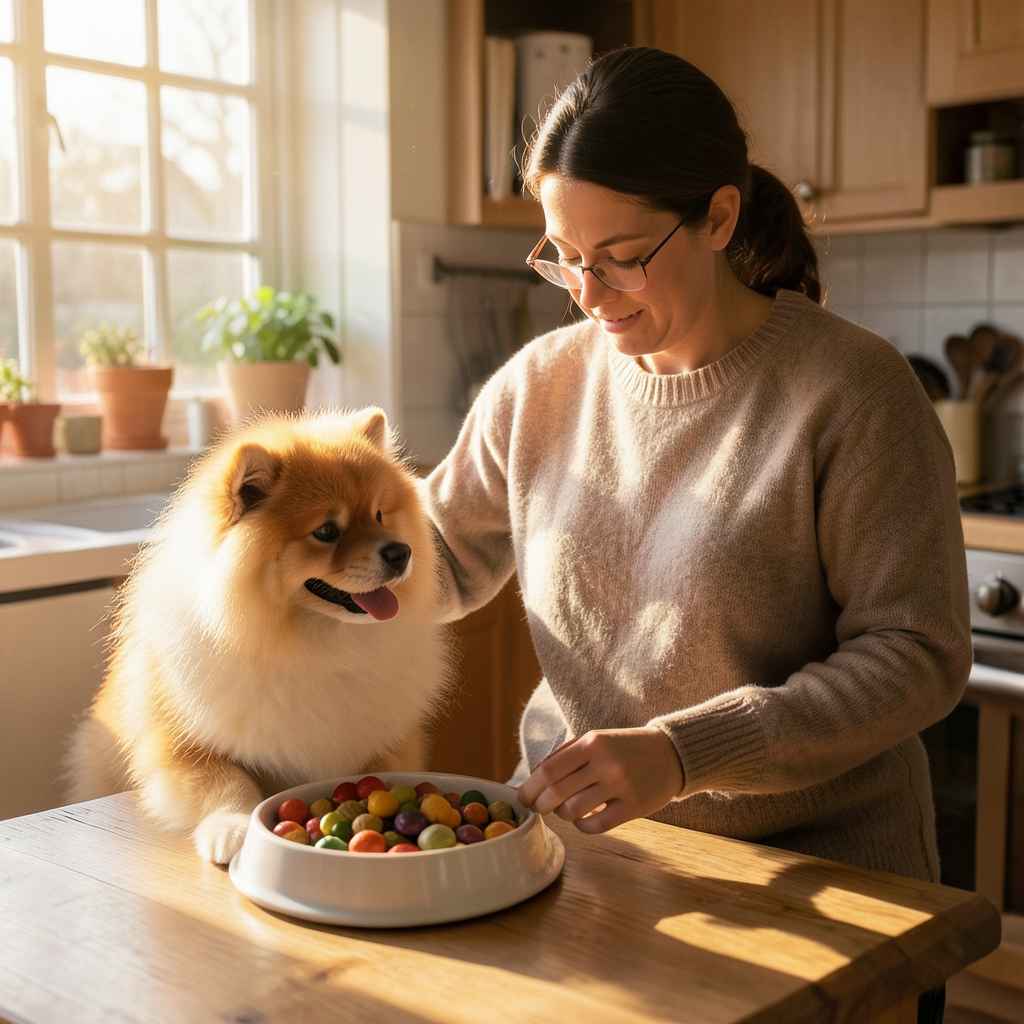
Resource guarding training is one of the most important behavior modification processes for dogs that show possessive or defensive behavior around food, toys, space, or even people. When left unaddressed, resource guarding can escalate into growling, snapping, or biting, making everyday life stressful for both dogs and owners. The good news is that with the right structured approach, most dogs can learn to feel safe, calm, and non-defensive around valued resources.
In this guide, you’ll learn how resource guarding develops, how to recognize early warning signs, and how professional training methods can transform a dog’s behavior safely and effectively. You’ll also see how structured programs like those offered by Rob’s Dog Training help families address this issue through proven, real-world techniques.
What Is Resource Guarding Training?
Resource guarding training is a structured behavior modification process designed to reduce a dog’s instinct to protect items they perceive as high-value. These “resources” may include:
- Food bowls or treats
- Chews and bones
- Toys
- Furniture or resting areas
- Even people or attention
At its core, this training is not about punishment, it is about changing emotional responses. Instead of feeling threatened when someone approaches, the dog learns that human presence predicts safety, rewards, and positive outcomes.
Modern canine behavior science emphasizes trust-building over dominance-based methods. This is why professional trainers focus on desensitization, counterconditioning, and controlled exposure.
Why Dogs Develop Resource Guarding Behavior
Understanding the root cause is essential for effective resource guarding training. Dogs don’t guard resources “out of bad behavior”, they do it because of learned survival instincts or past experiences.
Common causes include:
Early life competition
Puppies raised in crowded litters or shelters often compete for food and attention, which can create long-term guarding habits.
Inconsistent access to resources
Dogs that never know when food or attention will come may develop anxiety-driven possessiveness.
Past trauma or neglect
Rescue dogs may guard items due to previous deprivation.
Reinforced behavior
If a dog growls and the owner backs away, the dog learns that guarding “works.”
Genetics and temperament
Some dogs naturally have stronger territorial or protective instincts.
A skilled trainer focuses on identifying which factor is driving the behavior before creating a plan.
Signs Your Dog Needs Resource Guarding Training
Early detection makes training significantly easier. Many owners miss subtle signs until the behavior escalates.
Watch for:
- Stiff body posture when approached
- Eating faster when someone nears
- Growling over toys or food
- Hovering over objects or moving them away
- Showing teeth or snapping
- Freezing when interrupted
Even mild behaviors like “eating faster” are important warning signs. They often precede more serious aggression if not addressed properly.
Professional Resource Guarding Training Approach
Effective resource guarding training requires structure, timing, and emotional control. This is where professional intervention becomes critical.
At Rob’s Dog Training, behavior programs are built around real-world scenarios that dogs encounter in the home environment. Instead of suppressing behavior, the focus is on changing how the dog feels about people approaching valued items.
Core professional methods include:
1. Desensitization
The dog is gradually exposed to a trigger (like someone approaching food) at a distance where they feel safe.
2. Counterconditioning
Positive associations are built by pairing human approach with something the dog values more, such as high-value treats.
3. Controlled resource sharing
Dogs learn that humans approaching does not mean loss, it often means gain.
4. Structured leadership routines
Predictability reduces anxiety and helps the dog trust that resources are not under threat.
Step-by-Step Resource Guarding Training Strategies
While severe cases require professional help, understanding the process helps owners reinforce training at home.
Step 1: Identify trigger intensity
Determine what level of proximity causes discomfort. This could be across the room or right next to the bowl.
Step 2: Create safe training distance
Start where the dog notices you but does not react negatively.
Step 3: Introduce positive reinforcement
Every time you approach, drop something better than what they currently have.
Step 4: Repeat with gradual progression
Slowly decrease distance over multiple sessions while maintaining calm behavior.
Step 5: Avoid confrontation
Never grab food or objects forcefully. This increases anxiety and worsens guarding.
Consistency is more important than speed. Rushing the process often leads to setbacks.
Common Mistakes Owners Make
Even well-intentioned owners can accidentally reinforce resource guarding.
Avoid these mistakes:
- Punishing growls (this suppresses warning signals, not behavior)
- Taking items away without trade or reward
- Inconsistent rules between family members
- Allowing children to approach guarded items unsupervised
- Rushing training progression
A calm, structured environment is essential for success.
When to Seek Professional Help
Not all resource guarding cases are safe to handle alone. Professional support is recommended when:
- The dog has bitten or snapped
- Guarding involves food and high-value items
- Multiple triggers exist
- Behavior is escalating over time
- Children are in the home
In these cases, working with experienced trainers ensures safety and faster results. Programs like those offered by Rob’s Dog Training are designed to handle complex behavior cases using structured, humane techniques.
Why Rob’s Dog Training Is a Trusted Choice
Choosing the right training provider matters when dealing with behavioral challenges like resource guarding.
Rob’s Dog Training focuses on practical, real-life solutions that go beyond basic obedience. Their approach emphasizes:
- Behavior-first training instead of command-only methods
- Personalized plans based on each dog’s temperament
- Owner education for long-term success
- Real-world application inside the home environment
- Clear communication between trainer and family
Resource guarding is not just a training issue, it’s a trust issue. That’s why structured programs that rebuild confidence are often the most effective long-term solution.
What Every Dog Owner Should Know About Resource Guarding Training
Resource guarding training is not about forcing a dog to “give up control”, it’s about teaching them that they don’t need to guard in the first place. With patience, structure, and the right techniques, even dogs with strong guarding tendencies can learn to relax around valuable resources.
Whether the behavior is mild or severe, early intervention leads to better outcomes. Professional guidance can make a significant difference, especially when safety is a concern. With the right support from experienced trainers like those at Rob’s Dog Training, families can rebuild trust and create a calmer, safer home environment for both dogs and people.
Visit robsdogs to learn more about their training programs and how they can help address resource guarding behavior effectively.