

Paint has a way of exposing every choice you have been postponing. A dull hallway, a tired bedroom, or a living room that never feels finished can make the whole home feel older than it is. The smartest home paint ideas do not begin with a color card; they begin with how you want a room to behave when you walk into it. American homes carry every kind of light, layout, ceiling height, and lifestyle pressure, so one perfect shade does not exist. Better paint choices come from noticing what your space already gives you, then pushing it in the right direction. A soft neutral can calm a busy family room. A deep trim color can give a plain apartment more weight. A warm white can rescue a kitchen that feels cold under LED bulbs. For homeowners comparing design choices, remodeling budgets, or local service options, a trusted publishing resource like home improvement planning can help connect small updates with bigger property goals. Paint is not decoration at the end. It is the mood-setting layer that tells every other piece in the room how to work.
Start With the Room’s Real Personality Before Picking a Color
A paint choice fails when it tries to impress a photo instead of serving the room in front of you. Many homes across the USA have mixed lighting, open floor plans, builder-grade trim, and furniture collected over years rather than bought in one clean sweep. That is not a problem. That is the truth you design around, and good paint work begins by respecting it.
Why interior paint colors change from morning to night
Interior paint colors never sit still. A beige that looks soft at 9 a.m. can turn yellow by dinner, while a gray that seems elegant in a store can feel flat under cloudy Pacific Northwest light. Paint reacts to windows, bulbs, flooring, cabinets, and even the color of trees outside the glass.
A room with north-facing light often needs warmth because the daylight can lean cool. South-facing rooms can handle softer, dustier shades because sunshine gives them energy for free. In places like Phoenix, Denver, and Austin, bright light can wash colors out, so a shade that looks bold on a sample card may appear calmer on the wall.
Paint testing should happen on the actual wall, not on a tiny strip held near the window. Brush large samples in two or three spots and check them across a full day. Good color decisions come from patience, not panic at the paint counter.
How paint color schemes should follow the way you live
Paint color schemes work best when they match daily habits. A formal dining room used twice a year can carry drama, but a kitchen where kids do homework, parents answer emails, and dinner happens in shifts needs a color that can live through noise without adding more of it.
A family in a suburban Ohio home may need washable eggshell walls in a warm greige because backpacks, dogs, and muddy shoes are part of the picture. A single professional in a Chicago condo may choose a deep blue office wall because the room needs focus more than softness. Both choices can be right because both answer a real need.
The counterintuitive truth is that your favorite color may be the wrong wall color. A shade you love on a sweater can feel loud when it surrounds you. Paint should support the room’s job first, then satisfy your taste.
Build Atmosphere With Contrast, Finish, and Placement
Once the room’s personality is clear, color becomes only one part of the decision. Contrast, sheen, trim, ceiling treatment, and placement often do more than the shade itself. A plain white room can feel expensive with the right trim contrast, while a bold wall can feel cheap when the finish is wrong.
Accent wall ideas that feel intentional, not random
Accent wall ideas often go wrong because people pick the biggest wall without asking why it deserves attention. A strong wall should frame something meaningful: a fireplace, bed, built-in shelves, dining nook, or reading corner. Paint needs a reason to stop the eye.
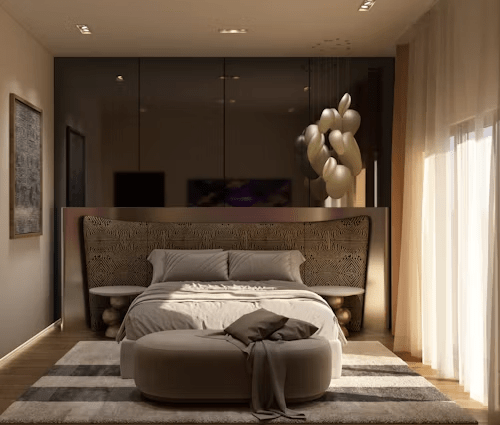
A dark green wall behind a walnut bed can make a bedroom feel grounded without darkening the entire space. A clay-colored wall behind open kitchen shelves can warm up white cabinets. In a small New York apartment, one painted wall behind a desk can define a work zone without adding furniture.
Restraint matters here. One accent wall can look sharp; three accent walls usually look confused. The best accent wall ideas create direction, not decoration for decoration’s sake.
Room painting tips for trim, doors, and ceilings
Room painting tips often ignore the surfaces that quietly shape the whole room. Trim, doors, and ceilings can either sharpen a space or make it feel unfinished. White trim is common, but it is not always the best answer.
Painting trim one shade darker than the walls can make a room feel tailored. Matching doors to the wall color can calm a narrow hallway. A pale ceiling color that is not plain white can soften a bedroom, especially in homes with low ceilings or older plaster details.
Finish changes the result as much as color does. Matte walls hide flaws but need care in busy areas. Satin or semi-gloss trim handles touch points better. A front hallway in a Boston rowhouse may need tougher paint than a guest room in a ranch home that sees light use. Paint is practical before it is pretty.
Use Color to Fix Common Interior Problems
Paint cannot move a wall, but it can change how a wall is read. Small rooms can feel calmer, long rooms can feel better balanced, and awkward corners can gain purpose. This is where paint earns its keep, especially for homeowners who want impact without tearing into drywall.
Small-space interior paint colors that open the room
Small rooms do not always need white paint. That advice sounds safe, but it can leave a compact room feeling bare and exposed. Interior paint colors with softness, warmth, or depth can make a small space feel settled instead of squeezed.
A powder room can handle a smoky navy because people spend short bursts of time there. A small bedroom may feel larger in a muted sage because the corners soften. A narrow hallway can benefit from a warm off-white paired with slightly darker doors, giving the eye a rhythm as it moves through the space.
The mistake is chasing brightness at all costs. A tiny room painted stark white with poor lighting often feels cold, not spacious. A controlled color with the right finish can do more for comfort than another coat of plain white.
Paint color schemes for open floor plans
Paint color schemes in open layouts need discipline. Many newer American homes connect kitchen, dining, and living areas, which means color changes can look choppy when they happen without a visual break. The goal is not to paint everything the same. The goal is to make each area speak the same language.
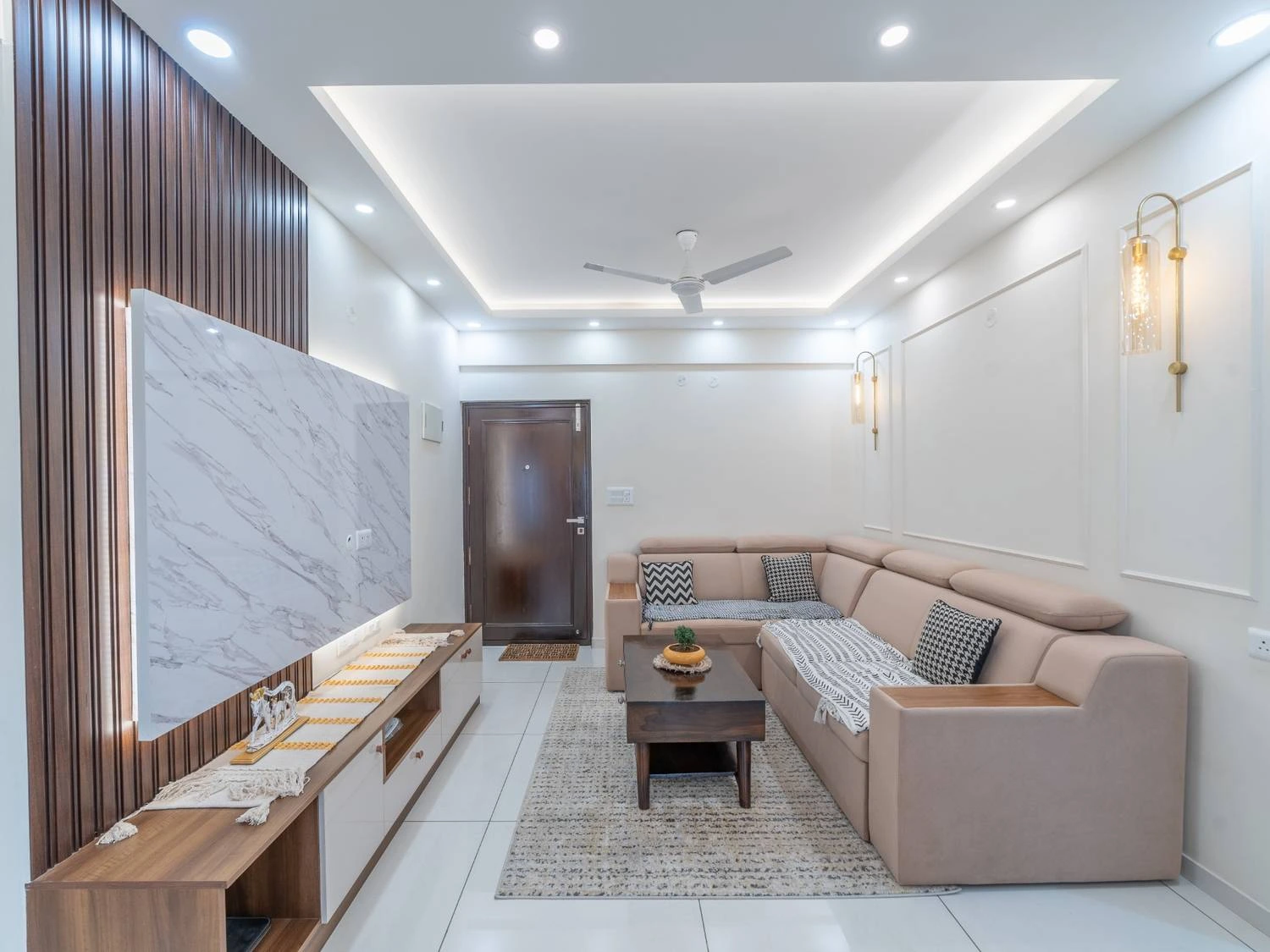
One strong approach is to choose a main neutral for shared walls, then shift mood through islands, built-ins, trim, or a dining-zone feature wall. A warm white living area can connect to a mushroom-toned kitchen island and a muted terracotta dining wall. The spaces feel related, but each still has a role.
Open plans punish impulsive choices. A color that looks good behind the sofa also has to sit beside cabinets, counters, flooring, and stair rails. Before buying gallons, view every sample from the next room over. Paint has neighbors.
Make the Finish Feel Designed, Not Merely Painted
Good paint work does not end when the roller stops. The final result depends on prep, edges, furniture balance, and the courage to stop before the room becomes overworked. A refreshed space should feel like someone made smart decisions, not like someone covered every surface in a weekend rush.
Room painting tips that protect the final result
Room painting tips rarely sound exciting because prep has no glamour. Still, sanding rough patches, cleaning walls, taping clean lines, and using primer where needed make the difference between fresh and sloppy. Paint is honest. It reveals shortcuts.
High-touch areas deserve stronger planning. Kids’ bedrooms, mudrooms, kitchens, and stairwells need washable finishes because real life leaves fingerprints, scuffs, and mystery marks. A beautiful flat paint in a busy hallway may look worn within months, while a better finish can keep the same color looking crisp longer.
A practical paint plan also includes leftover storage. Label cans by room, surface, date, and finish. Six months later, when a chair scrapes the wall or a moving box catches the corner, that small note saves you from repainting half a room.
Accent wall ideas that work with furniture and art
Accent wall ideas should never fight the pieces already in the room. A bold wall behind a sofa loses power if the sofa color clashes. A painted arch behind a console may look charming for a month, then feel trendy in the wrong way if the rest of the room stays unfinished.
Art can guide the color better than a random inspiration image. Pull a quiet shade from a landscape print, rug, ceramic lamp, or patterned chair. That borrowed color creates connection without making the room feel matched to death.
A strong painted feature also needs breathing room. If the wall carries deep color, let nearby items quiet down. If furniture brings the drama, let the paint support it. The room should have one lead singer, not a shouting contest.
Conclusion
Paint gives you one of the rare home updates where a modest budget can still change how you live every day. The trick is refusing to treat color like a trend chase. Your walls should answer your light, your layout, your furniture, and your routines. A shade that works for a beach house in Florida may fail in a shaded Michigan colonial, and that is exactly why copying a photo rarely works. The best home paint ideas come from looking harder at the room you already have, then making one confident move at a time. Test larger samples, respect natural light, choose finishes for real wear, and give each color a purpose before it touches the wall. Start with the room that bothers you most, paint one surface with intention, and let that single change prove how much power your home already has waiting inside it.
Frequently Asked Questions
What are the best interior paint colors for a small living room?
Soft warm whites, muted greens, pale taupes, and gentle beige-gray shades work well in small living rooms. The best choice depends on light, flooring, and furniture. Avoid harsh white in dim rooms because it can make the space feel colder instead of larger.
How do I choose paint color schemes for an open floor plan?
Choose one main wall color for shared areas, then add related shades through trim, built-ins, doors, or one feature zone. Keep undertones consistent so the kitchen, dining area, and living room feel connected without looking flat or repetitive.
What accent wall ideas work best in bedrooms?
The wall behind the bed is usually the strongest choice because it gives the room a natural focal point. Deep green, warm clay, charcoal blue, or soft cocoa can add depth while keeping the other walls calmer and easier to decorate around.
What room painting tips help avoid common beginner mistakes?
Test large samples, check colors in morning and evening light, clean the walls, use primer where needed, and choose the right finish for traffic levels. Rushing prep often leads to uneven color, rough edges, and touch-ups that never fully blend.
Are dark interior paint colors good for American homes?
Dark colors can work beautifully when they have a clear purpose. Powder rooms, offices, dining rooms, and bedrooms often handle deep shades well. Balance them with good lighting, lighter textiles, or warm wood so the room feels rich instead of heavy.
How often should interior walls be repainted?
Busy spaces such as kitchens, hallways, kids’ rooms, and family rooms often need repainting every three to five years. Lower-traffic rooms can last longer. Durability depends on paint quality, finish, sunlight exposure, moisture, and how much daily wear the room gets.
What paint finish is best for high-traffic rooms?
Eggshell or satin usually works best for high-traffic rooms because these finishes handle cleaning better than flat paint. Trim, doors, and cabinets often need semi-gloss for extra durability. Match finish to use, not only to appearance.
Can paint make a room feel more expensive?
Paint can make a room feel more polished when the color, finish, and trim choices work together. Painted doors, richer trim, clean edges, and a well-placed feature wall often create a designed look without replacing furniture or changing the room’s layout.