

A luxury audio restock rarely happens because shoppers need another box that plays music. It happens when a product starts feeling scarce, useful, and beautiful at the same time. The Beosound A5 Speaker sits in that odd space where design-minded U.S. buyers, apartment owners, weekend hosts, and serious listeners all notice the same thing for different reasons. Some want a premium wireless audio system that can move from kitchen island to patio. Others want a luxury portable speaker that does not look like camping gear left on a shelf. The official Beosound A5 page describes the A5 as a Wi-Fi and Bluetooth portable model with built-in wireless charging and a long-lasting battery, which explains why fresh stock can draw fast attention when certain finishes appear again. For buyers tracking new consumer product restocks, the real question is less about buzz and more about fit: does this B&O model earn its place in a home, or is it another expensive object made more desirable by low supply?
Why the Beosound A5 Speaker Fits the Luxury Audio Moment
The current interest around this model says something clear about how Americans are buying home tech. People are tired of devices that sound fine but look disposable. They want fewer pieces, better materials, and equipment that feels at home beside real furniture. That is where this Bang and Olufsen speaker has an advantage: it does not ask you to hide it behind a plant. A restock matters here because it gives buyers a second chance at a product that works as both sound source and visible object. That combination is harder to find than most spec sheets admit.
The restock signal is about trust, not hype
Restocks in luxury tech work differently than flash sales. A budget gadget can sell out because the price drops. A high-end audio piece tends to move when buyers feel that waiting might cost them a finish, a delivery window, or a chance to match the room they already built. That is a quieter kind of demand, but it can be stronger. It also feels more personal, because people are not only buying output. They are buying permission to keep the product in sight.
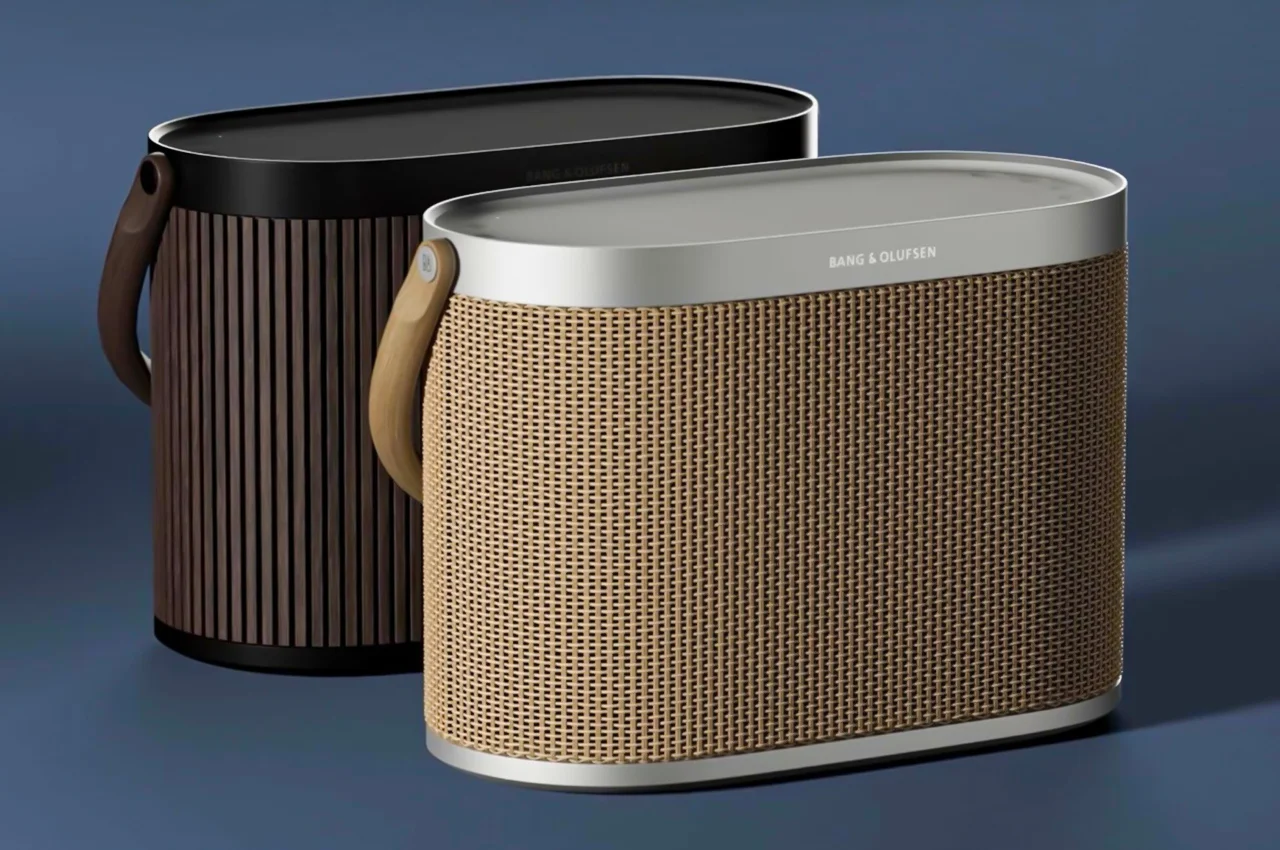
Think about a buyer in Dallas who already has a walnut media console, linen sofa, and open-plan kitchen. A black plastic smart speaker may work, yet it breaks the room. The A5, especially in wood or woven finishes, reads closer to a design object. That matters when the device stays visible every day. The buyer does not have to explain it, tuck it away, or apologize for it when guests notice.
The non-obvious part is that luxury portable speaker demand is not only about portability. Many owners may move it less than expected. They still like knowing they can. That freedom changes the purchase math because the product feels less tied to one corner of the house. It becomes a choice rather than another installed thing. In a home full of fixed screens and plugged-in gear, that feels oddly refreshing.
A portable design that belongs indoors first
Most portable audio products announce their toughness before their taste. Rubber edges, lanyards, and neon trims tell you they are ready for the pool. B&O takes a different route. The A5 looks more like something you would leave on a sideboard before guests arrive. That may sound cosmetic, but appearance decides where audio gets placed. Placement decides how often it gets used.
That makes it useful in a specific American routine: music in the kitchen while cooking, the same playlist outside during dinner, then quieter sound in the living room after everyone leaves. No one wants to re-pair three devices or drag a powered speaker between outlets. A carry handle and battery help, but the bigger win is social ease. The device can move with the mood instead of forcing the mood to follow a wall socket.
WIRED’s review noted the A5 uses a 130-mm bass driver, two 50-mm midrange drivers, and a 20-mm tweeter driven by 280 watts of Class D power, while also supporting Wi-Fi 6, AirPlay 2, Chromecast, and Bluetooth. Specs alone do not create desire, but they explain why the model can serve both the design buyer and the listener who cares about scale. The A5 is not trying to be the smallest thing in the bag. It is trying to be the most welcome thing in the room.
What Buyers Should Know Before the New Stock Moves
A restock can make people rush, but expensive audio deserves a slower look. The A5 is not the kind of purchase where every color and every household makes equal sense. It has strengths, quirks, and a price level that asks for honest use cases. The better you define your space, the less likely you are to buy the wrong finish for the right product. In luxury audio, the wrong choice is often not a bad product. It is a good product bought for the wrong room.
Finish choice can matter more than you expect
Color is not a surface detail here. With a Bang and Olufsen speaker, the finish carries part of the value. A woven face can soften a bright room with pale oak floors. A darker version may sit better near black-framed windows, leather seating, or a media wall. The device becomes part of the room before it plays a note. That is why a restock of one finish may matter less than a later restock of the finish that fits your home.
This is where online restock alerts can tempt people into bad choices. The available finish may not be the best finish. A buyer in a small New York apartment with warm wood shelves may regret choosing a stark metal look because it was the first one back in stock. A suburban family with a shaded patio might prefer a finish that hides fingerprints and blends into outdoor furniture. Store photos can help, but they rarely show your lighting, your floors, or the mess of daily life.
The counterintuitive advice is simple: if the product is meant to be seen, do not treat the finish as a bonus. Treat it as half the purchase. Sound may bring daily pleasure, but the visual match decides whether the A5 feels permanent or out of place. A luxury portable speaker should not make you rearrange a room to excuse it. It should look as if the room had been waiting for it.
The battery promise changes how people use it
Battery life has a different meaning in a luxury audio product. It is not only about beach days. It is about removing small annoyances around the house. The A5 can follow you to a laundry room, porch, home office, or guest room without making you think about outlets first. That simple shift lowers friction, and lower friction means the product gets used on ordinary days, not only during planned gatherings.
That helps in homes where music is part of the atmosphere rather than the main event. A couple hosting brunch in Atlanta may start with jazz near the coffee station, carry the unit outside, then bring it back in when the weather turns humid. The product becomes part of the flow instead of a fixed appliance. It also suits renters and condo owners who want richer sound without drilling, wiring, or committing a whole wall to equipment.
Bang & Olufsen also has support documentation for battery replacement, noting that rechargeable batteries age and that the product was designed with a simple replacement process, though care and proper tools are needed. That point matters because premium wireless audio should not feel temporary. A repair path makes the high price easier to defend. It also hints at a better way to think about ownership: not as a short tech cycle, but as a piece you may keep.
How It Compares With Ordinary Smart Speakers
The A5 should not be judged like a cheap kitchen speaker with a voice assistant attached. That comparison misses the point. Its real competition is the growing pile of home devices that promise convenience but add visual clutter. If your house already feels full of screens, chargers, hubs, and remotes, one better audio object can beat three average ones. This is where premium wireless audio has moved: away from “Can it connect?” and toward “Can it live here without making the room worse?”
Room sound beats spec-sheet bragging
Many shoppers read wattage, battery hours, and wireless formats, then try to rank products like laptops. Audio does not work that neatly. A speaker can have impressive numbers and still sound boxed-in when placed near a wall or island. Another can seem modest on paper yet fill a room with better balance. Room shape, furniture, ceiling height, and placement can humble any spec list.
The A5’s pitch is scale without the usual living-room commitment. You can set it near a dining table and still get sound that feels grown-up. You are not installing in-wall speakers. You are also not settling for a small puck that loses weight the moment people start talking over it. For a family room in Phoenix or a brownstone parlor in Brooklyn, that middle ground has real appeal.
WIRED found the A5 capable of filling larger rooms and praised its control at low and high frequencies, while also pointing out that its 360-degree claim was not fully convincing. That mix is useful. It keeps the product grounded. A luxury product can be excellent and still have limits. Honest limits make the buying decision sharper because they push you to ask how and where you will listen.
The phone charger is a clue, not a gimmick
The built-in wireless charger may sound like a side feature. In practice, it tells you how B&O expects the product to live: out in the open, on a table, within reach. A hidden speaker does not need a phone charging pad. A social object does. That makes the feature more revealing than it looks.
That small detail suits modern American rooms. Kitchens double as offices. Dining tables become homework zones. A patio turns into a weekend hangout with phones, drinks, and playlists moving around the same surface. A premium wireless audio product that also handles one everyday charging need feels less like a toy. It becomes part of the table routine, like a lamp or a tray.
The surprise is that the charger may be more valuable as a behavior cue than as a power feature. It encourages placement where people gather. Better placement often means better listening. A feature that looks minor on a spec sheet can shape how the device earns attention. That is good design: not a trick, but a nudge toward use that makes sense.
Who Should Buy Now and Who Should Wait
Restocks create pressure, and pressure can make any premium purchase feel urgent. That does not mean every interested buyer should move at once. The A5 makes the most sense when your home, habits, and budget already point toward fewer, better objects. It makes less sense if you mainly want loud music for rough use. The smart move is not buying fast. The smart move is knowing whether the product solves a problem you already had.
Best fit for design-led homes and serious listeners
This model is strongest for buyers who care about the room as much as the playlist. If you have spent money on lighting, furniture, rugs, and art, a cheap speaker can feel like a small daily compromise. The A5 solves that without asking you to build a full stereo system. It gives you a finished object, not another tech accessory begging for a hiding place.
It also suits people who host. A dinner party does not need concert-level volume. It needs music that stays clean, full, and relaxed as people move around. A single luxury portable speaker can cover that setting better than a cluster of small devices fighting from different corners. The win is not more noise. It is less strain.
For more setup thinking, pair this purchase with home audio setup ideas and a luxury living room technology guide. The best results come when the speaker, furniture, Wi-Fi strength, and listening zones work together rather than being chosen one at a time. A good room plan can make one audio purchase feel larger than it is.
When patience saves money or regret
Waiting makes sense if you are unsure about finish, placement, or daily use. It also makes sense if you already own a capable speaker and want the A5 mostly because it is back in stock. Scarcity can make hesitation feel like loss, but a four-figure audio purchase should survive a night of sleep. If it does not, the restock may be doing too much of the selling.
A practical test helps: choose the exact room, surface, and use case before buying. If you cannot name them, wait. If you can picture the device on the credenza, carrying music to the patio twice a week, and replacing two lesser speakers, the decision becomes cleaner. You should also check your Wi-Fi strength in the spots where you expect to listen. A premium device cannot fix a weak home network by force.
The non-obvious point is that the best buyer may not be the loudest audiophile. It may be the person who dislikes clutter, notices materials, and wants music to feel woven into the home. That buyer gets value every time the product is seen, not only when it plays. For that person, a restock is not hype. It is timing.
Conclusion
Luxury audio demand is changing because homes are changing. People want devices that do their job without making the room feel colder, busier, or more temporary. The A5 answers that desire by acting like furniture, tech, and sound system at the same time. That is why this restock feels less like a normal inventory update and more like a test of what people now expect from home audio.
The Beosound A5 Speaker has become a restock worth watching because it meets a need that cheaper products often ignore: pride of placement. You can leave it visible. You can move it. You can use it without turning your living room into a gear shelf. The best version of ownership here is quiet confidence, not constant feature chasing. In a market crowded with forgettable boxes, that kind of calm presence is the selling point.
That does not make it the right buy for everyone. The price asks for a clear home and a clear reason. But for Americans building warmer, cleaner, better-sounding spaces, this Bang and Olufsen speaker makes sense in a way that is easy to feel and hard to fake. Buy it for the sound, but keep it because it belongs.
Frequently Asked Questions
Is the Bang and Olufsen A5 worth buying after a restock?
Yes, if you want design, room-filling sound, and portable use in one product. It makes less sense for rough outdoor use or bargain hunting. The best buyer wants an audio piece that stays visible and still feels right beside furniture.
How much does the B&O A5 usually cost in the USA?
Pricing can change by finish, retailer, and included power supply, so check the current listing before buying. Expect a luxury price, not a discount-speaker range. That cost makes planning the room and finish more important.
What makes this luxury portable speaker different from cheaper Bluetooth models?
Materials, room presence, wireless features, and home-friendly styling separate it from common Bluetooth models. Cheaper units may be easier to toss in a bag, but they often look temporary indoors and may not carry sound with the same ease.
Can the A5 work for patios and outdoor dinners?
Yes, it can suit patios, covered decks, and outdoor dinners when handled with care. It is still a premium object, so owners should avoid treating it like a rugged jobsite radio or pool toy.
Does the A5 need Wi-Fi to sound good?
No, Bluetooth gives it simple playback, but Wi-Fi opens better home use through supported streaming and multiroom features. For daily listening at home, a strong Wi-Fi connection usually gives a smoother experience than pairing from scratch each time.
Is a Bang and Olufsen speaker a good gift?
It can be an excellent gift for someone who cares about music and interior design. The risk is finish preference. For a major gift, choose only when you know the person’s room style or can confirm the color they want.
What room size suits the B&O A5 best?
It fits kitchens, living rooms, bedrooms, offices, and covered outdoor areas where one strong portable unit makes sense. In a large open-plan home, placement matters. Put it where people gather rather than tucked against a far wall.
Should I wait if my preferred finish is out of stock?
Yes, waiting is smart when the finish affects the room. A luxury audio piece will be seen daily, so the wrong color can become annoying long after the restock excitement fades. Buy the finish that belongs in your space.