

A recovery device only becomes interesting when people can see where it fits in a normal day. Hyperice Venom 2 has that rare mix: it looks athletic enough for a locker room, yet practical enough for a tired parent, nurse, golfer, warehouse worker, or desk-bound editor. The appeal is not mystery. It is a back recovery wrap that gives warmth, vibration, and hands-free use without turning recovery into a project. For readers who track wellness gear through trusted lifestyle and product updates, the sudden attention makes sense because this is the kind of muscle recovery tool people can understand in one photo. A viral athlete post does not prove a device belongs in your cart. It does prove one thing: recovery gear has moved out of the trainer’s room and into everyday American life. The better question is not whether the buzz is loud. The better question is whether the heat, fit, vibration, and routine value hold up after the social feed moves on.
Why Hyperice Venom 2 Became a Recovery Conversation, Not Another Gadget
The reason this back wrap caught fire is simple: it solves a plain problem in a visible way. Many recovery products need explanation. This one does not. You wrap it around your lower back, choose heat, choose vibration, and keep going. That clarity matters because most people do not want a lab-style recovery setup at home. They want something that can sit near the couch, desk, gym bag, or bedroom chair and still earn its space. A product like this also photographs well, which sounds shallow until you think about how people shop now. If the benefit reads in one glance, the product has less work to do.
Athlete visibility made the back wrap feel normal
Athletes have always pushed recovery gear into public view, but the pattern has changed. Years ago, the gear stayed behind the curtain. Now, a single courtside shot, story, or locker-room clip can make a recovery item feel familiar by dinner. Recent coverage around Knicks guard Jalen Brunson using Venom gear helped put the brand’s heat-and-vibration format in front of shoppers who may never read a product manual.
That matters because recovery products can feel strange until you see them worn. A massage gun looks loud. Compression boots look medical. A heated wrap looks human. It has the shape of something your uncle might wear after mowing the lawn and something a pro guard might use between hard sessions. Same object. Two worlds.
The non-obvious part is that the athlete post did not make the product feel elite. It made it feel normal. That is the stronger sell. People are less likely to buy recovery gear because a pro athlete owns it. They are more likely to buy it because the pro athlete made the routine look less awkward. That shift matters for U.S. shoppers who want health gear without feeling like they joined a training camp.
Why the office crowd understood the hype fast
The office crowd may be the quiet engine behind this attention. Back tension is not only a gym problem. It shows up after a long commute on I-95, a cramped flight from Dallas to Denver, or six hours in a chair that looked fine in the store. The back recovery wrap fits those moments because it does not demand a workout before it makes sense.
That is where this heat vibration device has an edge over tools that feel tied to performance. A runner may use it after hill repeats. A remote worker may use it after a day hunched over a laptop. A parent may use it after carrying a toddler through Costco. The same design speaks to all of them without changing its pitch.
The friction is price and expectation. A heated wrap cannot fix poor posture, weak hips, bad sleep, or a week of overtraining. What it can do is lower the barrier to care. That sounds small. It is not. Most people fail at recovery because the routine asks too much too late. A five-step plan looks good on Sunday night, then dies on Tuesday when the dishwasher leaks and the inbox is still barking.
What the Heat and Vibration Feel Like in Real Daily Use
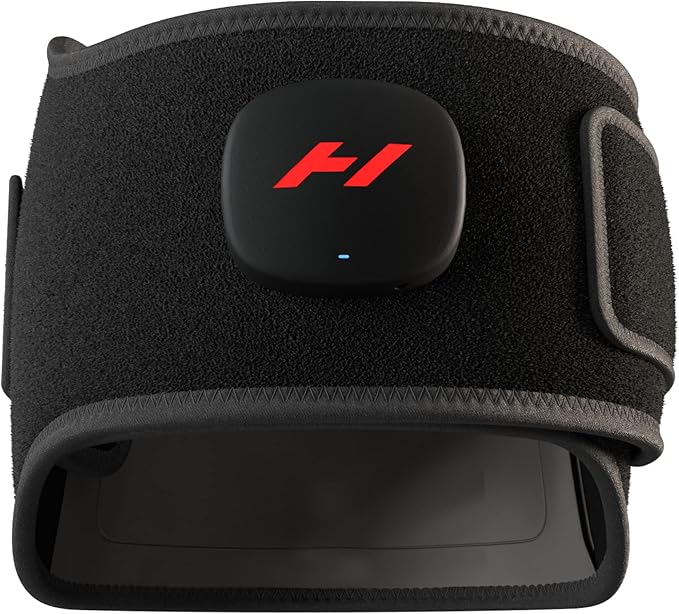
The product page gives the numbers, but numbers do not tell you when a device earns a repeat spot in your week. The brand lists three heat levels, three vibration patterns, Bluetooth control, a neoprene wrap with a silicone surface, a 48-by-11-by-2-inch size, 2.3-pound weight, and up to three hours of battery life. Those specs matter less as trivia and more as clues. They tell you this is meant for coverage, warmth, and repeated short sessions, not deep-tissue force. That makes the experience more like preparing the back for movement than forcing a dramatic “release.” That gap between force and comfort is where it wins.
A heat vibration device is not a massage gun
The first mistake shoppers make is expecting kneading. This is not a substitute for thumbs, elbows, or a percussion device. It does not dig into a knot and bully it into silence. The effect is calmer than that. Warmth softens the guarded feeling around the lower back, while vibration adds enough movement to keep the session from feeling like an old heating pad.
That difference matters after training. Say you finish a Saturday tennis match in Phoenix or a pickup basketball run in Chicago. Your lower back feels tight, but not injured. A massage gun may feel too sharp near the spine, and stretching may feel stiff at first. A wrap can give you a middle step: warm the area, breathe, then move.
The counterintuitive point is that less intensity can make a recovery habit stronger. Big relief tools feel exciting on day one and annoying by week three. A quieter muscle recovery tool often survives because you can use it while answering emails, watching the late game, or sitting after a shower. The best session may be the one you barely talk about afterward because it fits the night instead of interrupting it.
Small settings matter more than maximum intensity
A device with heat and vibration invites people to max everything out. That is not always the best use. The official heat levels climb from 113°F to 122°F to 131°F, with three vibration patterns available. Higher may feel better for a moment, yet steady use usually comes from choosing the lowest setting that works.
For example, a cyclist who gets tight after indoor trainer rides might use low heat before mobility work. A delivery driver who sits and lifts all day may prefer medium heat without the strongest vibration. A lifter may use vibration alone before a warm-up, then add heat later. These are different use cases, not signs of indecision. The setting that feels right after a cold morning run in Minneapolis may feel like too much after a humid yard-work session in Tampa.
The device becomes more useful when you stop treating settings as a scoreboard. Recovery is feedback. If the heat makes you tense up, back off. If vibration feels distracting, turn it down. Comfort is not weakness here; it is the point. The smartest setting is the one that leaves you more willing to move afterward, not the one that sounds strongest on paper.
Who Gets the Most Value From This Back Recovery Wrap
The best buyer is not always the most intense athlete. The best buyer is the person who will repeat a simple recovery habit often enough to notice a difference in how the body feels. That could be a runner, golfer, nurse, teacher, gamer, new parent, or sales rep who spends half the week in airports. The back recovery wrap makes sense when your lower back complains often, but you still need a routine you will use. It is less suited to someone hunting a one-time miracle after years of ignoring every warning sign.
Weekend athletes need recovery they will repeat
Weekend athletes have a special problem: their bodies remember Wednesday’s chair more than Saturday’s ambition. A 42-year-old softball player may sprint twice all month, then wonder why the lower back feels cranky. A golfer may rotate hard for four hours, then drive home in the same posture that caused the stiffness. The pain story is rarely one moment. It is a stack.
That is why a wearable heat session can help more than another complicated plan. You can use it before gentle movement, after a shower, or while watching film of your kid’s soccer game. It is not a badge of athletic seriousness. It is a way to keep the body from cooling into stiffness after effort. The value is strongest for people who know they should stretch, walk, and sleep better, yet need one easy step that starts the chain.
The non-obvious insight is that recovery gear works best when it feels almost boring. If a device needs the perfect mat, playlist, timer, and mood, it will lose to the couch. A simple muscle recovery tool has a better chance because the routine can happen on a tired night. For weekend athletes, boring is not a flaw. Boring gets repeated.
Desk workers need warmth before pain becomes a routine
Desk pain has its own rhythm. It often starts as a dull signal, not a sharp warning. You shift in the chair. You stand up during a call. You promise to stretch later. Then later becomes Friday, and your back feels older than the rest of you. A standing desk can help, but it can also become another place to slump if the rest of the day stays stiff.
MedlinePlus back-care guidance says people with low back pain should avoid long bed rest when there are no serious warning signs, stay active as able, and use ice early for sudden pain before using heat later. MedlinePlus back-care guidance That is a helpful frame because heat should sit inside a broader plan. It should not become an excuse to ignore movement.
A practical office example is simple. Use the wrap after the workday, then do five minutes of walking or easy mobility once the back feels less guarded. The warmth is not the whole answer. It is the opener that makes the next good choice easier. That small order matters. Warm first, move second, then decide whether the body is asking for rest, stretching, or a better chair setup.
Smart Buying Notes Before You Follow the Viral Rush
Viral gear creates pressure. It makes the purchase feel urgent, even when the smarter move is slower. This is where shoppers should separate social proof from fit, use case, and safety. The official page currently shows a sale price of $215 against a regular price of $269, but prices can change without warning, so treat that as a snapshot rather than a promise. A good buy is not the one with the loudest moment online. It is the one that keeps making sense after the box is open. Think about who else in the house may use it, because shared recovery gear changes the math. A spouse with a tight lower back, a college athlete home for summer, or a parent who drives for work may all want the same wrap. That can make the price easier to defend, but it can also expose fit issues fast.
Fit, battery, and storage decide whether you keep using it
The specs look friendly on paper: adjustable compression straps, Bluetooth, TSA-friendly design, and up to three hours of battery life. Still, ownership lives in small details. Will it fit around your body with enough contact? Can you sit with it comfortably? Do you have a place to charge it? Will the wrap live where you remember to use it?
A common American household test is the “where does it go?” test. If it ends up buried in a closet beside resistance bands and old ankle weights, it will not matter how good the heat feels. If it sits near the sofa, desk, or gym bag, it has a chance. Charging matters too. A dead recovery device at 9:30 p.m. is not a recovery device; it is another chore with a logo.
The surprise is that portability is not only about travel. It is about friction inside the home. A device can be TSA friendly and still fail if it is annoying to grab after dinner. The best recovery gear is the gear you do not have to negotiate with. Before buying, picture the exact time you would use it. If no honest answer appears, wait.
When heat is helpful and when caution matters
Heat feels comforting, so people can forget that it still needs judgment. Do not use strong heat on numb skin, irritated skin, or a new injury that is swelling. Do not fall asleep wearing a heated product. Do not treat sharp pain, weakness, fever, or loss of bladder or bowel control as a shopping problem. Those are medical questions.
This does not make the device risky for healthy users. It makes the routine smarter. Start low, use short sessions, and pay attention to how your back feels afterward. Warmth should leave you looser, not drained or irritated. It should also make movement feel easier. If you need more heat each night to feel the same effect, the issue may be bigger than soreness.
A heat vibration device belongs in the “support” category. It supports comfort, relaxation, warm-up, and post-activity care. It does not replace strength work, walking, medical care, or better sitting habits. That limit is not a flaw. It is the honest boundary that keeps the purchase grounded. The best recovery purchase is not the one that promises escape from effort. It is the one that helps you return to the effort with less resistance.
Conclusion
The viral moment around this back wrap says less about hype and more about how Americans now think about recovery. People want tools that fit between real obligations: a commute, a practice pickup, a late shift, a hotel room, a stiff Monday morning. The best case for the device is not that athletes use it. The best case is that its value is easy to understand after one session. Hyperice Venom 2 sits in a useful lane between a plain heating pad and more aggressive recovery gear, giving warmth and vibration without turning care into a production. The smart buyer should still slow down, check fit, compare price, and think about routine. A viral athlete post can start the conversation, but your own habits decide whether the wrap earns a place in your week. For more context on choosing recovery tools that match real life, see this fitness gear buying guide and these home workout recovery ideas. Buy it for repeat use, not for the post that made it famous.
Frequently Asked Questions
Is the Venom 2 Back worth it for daily back tension?
It can be worth it when heat helps your lower back and you will use the wrap often. The value drops if you expect deep massage, medical treatment, or a full posture fix. Think of it as comfort support, not a cure.
How hot does the Venom 2 Back get?
The official listed heat levels are 113°F, 122°F, and 131°F. Start with the lowest level, especially if your skin is sensitive or you plan to wear it over thinner clothing. More heat is not always better for comfort.
Can I use this back wrap while working at a desk?
Yes, many users will find desk use practical because the wrap is hands-free. It may feel bulky in some chairs, so test posture and contact. The best setup is one where you can sit upright without tightening your back.
Is a heat and vibration wrap better than a massage gun?
It depends on the problem. A wrap is better for broad warmth, comfort, and gentle relaxation. A massage gun is better for targeted pressure on larger muscle areas. Near the lower back, many people prefer the calmer feel of heat and vibration.
How long should one session last?
A short session is the safer starting point. Many heat routines sit around 15 to 20 minutes, but you should follow the product instructions and your own comfort. Stop sooner if the heat feels sharp, irritating, or tiring.
Can athletes use it before training?
Yes, it may help some athletes feel warmer and looser before light movement. It should not replace a warm-up. Use it as a prep step, then move through sport-specific drills so your body is ready for actual load.
Is it good for lower back pain after sitting?
It may help with mild stiffness from sitting, especially when paired with walking, posture changes, and mobility work. If pain is sharp, spreading, or tied to weakness or numbness, skip self-treatment and speak with a health professional.
Should I buy it because it went viral?
Only buy it if the use case fits your life. Viral attention can reveal a useful product, but it cannot tell you whether the size, price, heat, and routine match your needs. Your weekly habits matter more than social buzz.