


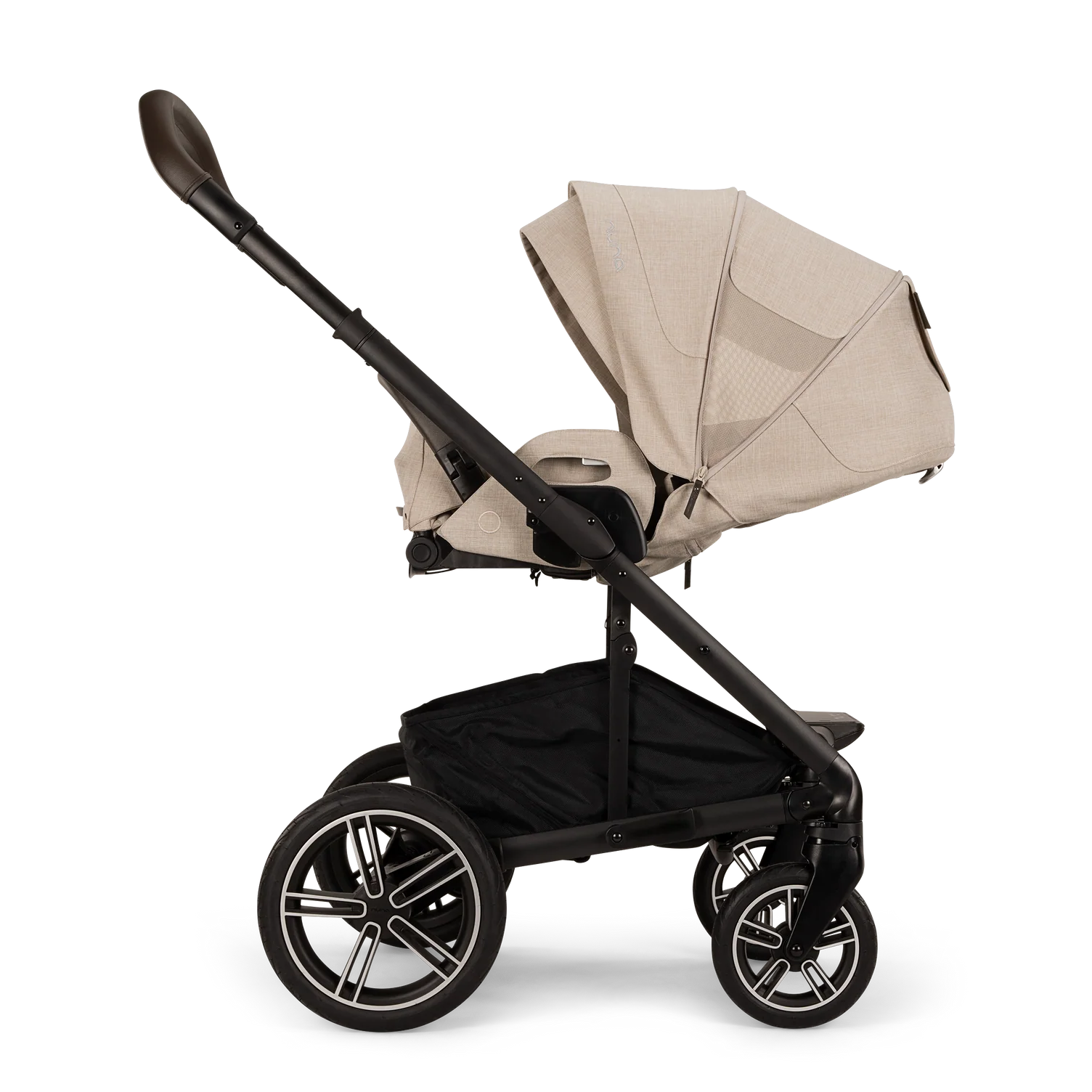
Registry season has a way of exposing which baby products parents trust when the cart gets serious. That is why the Nuna Mixx Next keeps getting attention from U.S. parents who want one stroller to handle newborn days, grocery runs, grandparents’ visits, and weekend errands without feeling like a rolling compromise. For many families, it lands in that tense middle ground between “premium splurge” and “we may use this every day for years.” The appeal is not mystery. It is a full-size stroller with a compact fold, infant car seat support, a reversible seat, and a polished look that fits baby showers as well as apartment hallways. Sites that track consumer gear coverage often see this pattern when registry shoppers start comparing real daily use instead of shiny product photos. This guide breaks down why demand is rising, what parents should check before buying, and whether this baby registry stroller makes sense for your home, car, and routine.
Why Nuna Mixx Next Is Catching Registry Attention Again
A stroller becomes a registry favorite when it solves more than one problem at once. Parents do not want a garage full of gear before the baby arrives. They want fewer pieces, less friction, and a setup that works when everyone is tired. That is where this model finds its lane. It feels gift-worthy, but it is also built around repeat use: folding, loading, reclining, steering, and clicking in an infant seat.
Why registry shoppers keep circling back to it
Most registry buyers are not stroller experts. They are comparing names they heard from friends, models they saw at Nordstrom, and whatever felt smooth during a quick store test. The Mixx line benefits from that hands-on moment. One push can sell the idea faster than a spec sheet.
The non-obvious part is that the stroller’s appeal is not only about luxury. It is about lowering small daily irritations. The official U.S. product specs list use from birth to 50 pounds, a folded size of 27.5 by 23.6 by 19 inches, and a stroller weight of 28.3 pounds without the arm bar and insert. That gives parents a clearer picture of whether it fits their trunk, closet, or mudroom before they fall for the fabric and frame finish.
That matters for baby showers. A cousin may want to buy the “nice stroller,” but the parent using it will care about whether it stands folded near the front door. A gift can feel generous on day one and annoying by month three. This one earns interest because it tries to be both polished and practical.
The registry-season pressure nobody says out loud
Registry season can make parents rush. A color comes back, a completion discount window opens, grandparents ask what is still needed, and suddenly a stroller decision feels bigger than it should. The smarter move is to slow the purchase down by one evening and check how it fits your life.
For a family in a Chicago walk-up, the weight may matter more than the canopy. For parents in suburban Texas, trunk space and heat-friendly fabric may matter more. For grandparents in Florida, the brake and buckle may decide whether they feel safe taking the baby out alone. Same stroller, different test.
This is also where internal planning helps. A parent building a registry should compare the stroller against newborn travel system planning and baby gear storage ideas before choosing based on brand alone. The best registry choice is not the one people recognize fastest. It is the one you can still stand using after a long pediatrician visit.
What the Full-Size Stroller Design Gets Right
A full-size stroller has to do the boring jobs well. It must steer with a diaper bag in the basket, roll over cracked sidewalks, recline when a baby finally naps, and fold when one adult has no spare patience left. Pretty fabric is a bonus. Daily handling is the test.
The fold, seat, and frame tell the real story
The Mixx is not trying to be an ultralight travel stroller. That is the first thing buyers need to accept. It is built for everyday comfort, not overhead-bin bragging rights. Its value comes from stability, seat comfort, and the ability to shift between newborn and toddler needs without feeling flimsy.
Babylist lists the model as a full-size stroller with a 50-pound weight capacity, infant car seat compatibility, rubber foam-filled tires, self-standing fold, true-flat recline, reversible seat, adjustable handlebar, UPF 50+ canopy, and a no-rethread harness. Those details sound small until you use them on a day when the baby spits up, the weather turns, and the parking lot is packed.
The counterintuitive point is that “full-size” can be easier than “lightweight” for many parents. A lighter stroller can save your arms when lifting it, but a steadier frame can save your wrists, back, and patience while pushing. You feel that difference on bumpy sidewalks, sloped driveways, and store entrances with rough mats.
Why comfort features matter after the first month
Newborn gear often gets judged through the first-week lens. Does it work with an infant seat? Can it hold a sleepy baby? Does it look good in the nursery corner? Fair questions, but the deeper test comes later, when the baby is awake longer and the stroller becomes a moving seat, snack zone, nap cave, and parent storage cart.
The all-season seat is a good example. A summer baby in Phoenix has a different comfort problem than a winter baby in Boston. Mesh airflow, canopy coverage, and recline angle can mean the difference between a ten-minute meltdown and a calm walk around the block.
Still, comfort is not magic. A stroller cannot fix a skipped nap or a crowded farmers market. What it can do is remove avoidable friction. A seat that reclines with one hand helps when you are holding coffee, wipes, or your phone. An adjustable handlebar helps when two adults share stroller duty and are not the same height.
Travel System Fit, Safety Habits, and Everyday Movement
The travel system question is where many parents overbuy or underthink. They want the stroller and car seat to work together, but they may not think about the route from car to sidewalk to house. The best setup is not the one with the longest feature list. It is the one you can operate correctly when the baby is crying and rain is hitting the windshield.
How the Nuna travel system setup helps new parents
The Nuna travel system appeal is simple: fewer awkward handoffs. The stroller is designed to pair with Nuna PIPA series infant car seats through the included ring adapter, and Babylist notes that it can also work in stroller-seat mode facing the parent or facing outward.
That flexibility helps during the first year. In the early weeks, many parents like keeping the baby facing them. Later, curious babies want to look out at dogs, trees, and grocery shelves. A reversible seat lets the stroller change with that stage instead of forcing one setup from birth onward.
The catch is that travel system convenience should never replace car seat safety basics. NHTSA tells parents to choose a car seat based on the child’s age and size, follow the car seat maker’s instructions, read the vehicle manual, keep children in the right seat as long as they fit the height and weight limits, and keep children in the back seat at least through age 12.
Safety is more routine than feature
A premium stroller can make parents feel prepared, but safety comes from repeat habits. Buckle the harness. Lock the brake when stopped. Keep heavy bags off the handlebar unless the manual allows it. Check adapters before lifting. Boring habits beat expensive branding.
Here is the part that surprises many new parents: registering the car seat may matter more than buying a matching color. NHTSA advises parents to register car seats with the manufacturer so recall and safety notices can reach them, and the agency also offers recall alerts.
That is why a Nuna travel system should be treated as a system, not a style set. The stroller, infant seat, base, adapters, and vehicle all have to work together. One weak habit can undo a lot of good design. A five-minute registration card is not glamorous, but it is one of the most grown-up moves on the whole registry.
Should You Buy During a Restock or Wait?
A restock can feel like a green light, but it should be treated like a chance to inspect your priorities. Color availability, retailer perks, registry discounts, return windows, and accessory bundles can change the value of the purchase. The stroller may be the same. The deal around it may not be.
When buying during a restock makes sense
Buying during a restock makes sense when you already know the stroller fits your car, home, and budget. That means you have measured the trunk, checked the folded dimensions, compared seat height, and decided whether the 28-pound range works for whoever will lift it most. No stroller is premium when the main caregiver dreads loading it.
It also makes sense when your due date is close enough that waiting creates stress. Registry shoppers sometimes save the largest items for last, then discover the preferred color or bundle is gone. If the product is already chosen and the return policy is clear, restock timing can be useful.
One real-world example: a parent in a small SUV may choose this model during a restock because it fits upright beside grocery bags, while another parent with a compact sedan may discover the fold shape eats too much trunk depth. Neither parent is wrong. The same spec can be a win or a problem depending on the car.
When waiting is the smarter move
Waiting can be wise if you are still comparing a full-size stroller against a lighter city stroller or a convertible stroller for future siblings. The Mixx is strong as a single-child daily stroller, but it is not the same choice as a stroller built to grow into two seats.
Budget also deserves honesty. If buying this stroller forces you to cut corners on a safe car seat, safe sleep surface, or pediatrician-ready basics, pause. A stroller should improve daily life, not drain the parts of the budget that protect the baby.
The counterintuitive insight is that the best time to buy may not be the first restock. It may be the moment after you test the handlebar, fold it twice, lift it into your own car, and picture a tired Tuesday. Registry hype fades. Muscle memory stays.
Conclusion
A stroller earns its place when it makes ordinary days feel less clumsy. That is the real reason this model keeps showing up in registry conversations, not because parents suddenly became obsessed with fancy wheels. They are trying to buy one dependable piece before the baby arrives and life gets loud. The Nuna Mixx Next fits that desire because it blends comfort, a compact fold, infant seat support, and a polished build without pretending to be a tiny travel stroller. Still, the smart buyer should measure first, compare honestly, and think past the shower photo. A baby registry stroller should serve the parent who loads it, folds it, wipes it down, and pushes it through bad weather. Choose the color last. Choose the fit first. If it works in your real routine, buy with confidence and build the rest of the registry around gear you will use without resentment.
Frequently Asked Questions
How much does the stroller weigh?
It weighs 28.3 pounds without the arm bar and insert, according to Nuna’s U.S. specifications. That is normal for a premium full-size stroller, but it may feel heavy if you lift it into a trunk several times a day.
Is it good for newborns?
Yes, it is listed for use from birth to 50 pounds. Many parents use it with a compatible infant car seat or bassinet during the newborn stage, then move into the stroller seat as the baby grows.
Does it work with Nuna PIPA car seats?
Yes, it is designed to work with Nuna PIPA series infant car seats using the included ring adapter. Parents should still check the exact car seat model, adapter instructions, and current product manual before using any travel setup.
Is this stroller worth adding to a registry?
It can be worth adding if you want one polished everyday stroller and have room in your budget. It makes the most sense for families who value ride comfort, reversible seating, car seat pairing, and a fold that stores well at home.
What kind of parents should skip it?
Parents who need an ultra-light stroller, overhead-bin travel stroller, or lower-cost second stroller may want another option. It may also be too much stroller for families who mostly babywear or drive short distances without long walks.
Can it handle city sidewalks?
Yes, it is better suited to city sidewalks than many tiny travel strollers because of its sturdier frame and rubber foam-filled tires. It still is not a jogging stroller, so rough trails and running should be left to gear made for that use.
What should I check before buying during a restock?
Measure your trunk, doorway, storage spot, and hallway space first. Then review the return policy, color availability, included accessories, warranty terms, and whether the retailer offers registry completion savings or bonus gift cards.
Does the stroller basket fit a diaper bag?
The basket can handle everyday parent gear, but some reviewers and testers have found the cargo space narrower than expected. A soft diaper bag usually works better than a wide, boxy tote when you want easier access.