

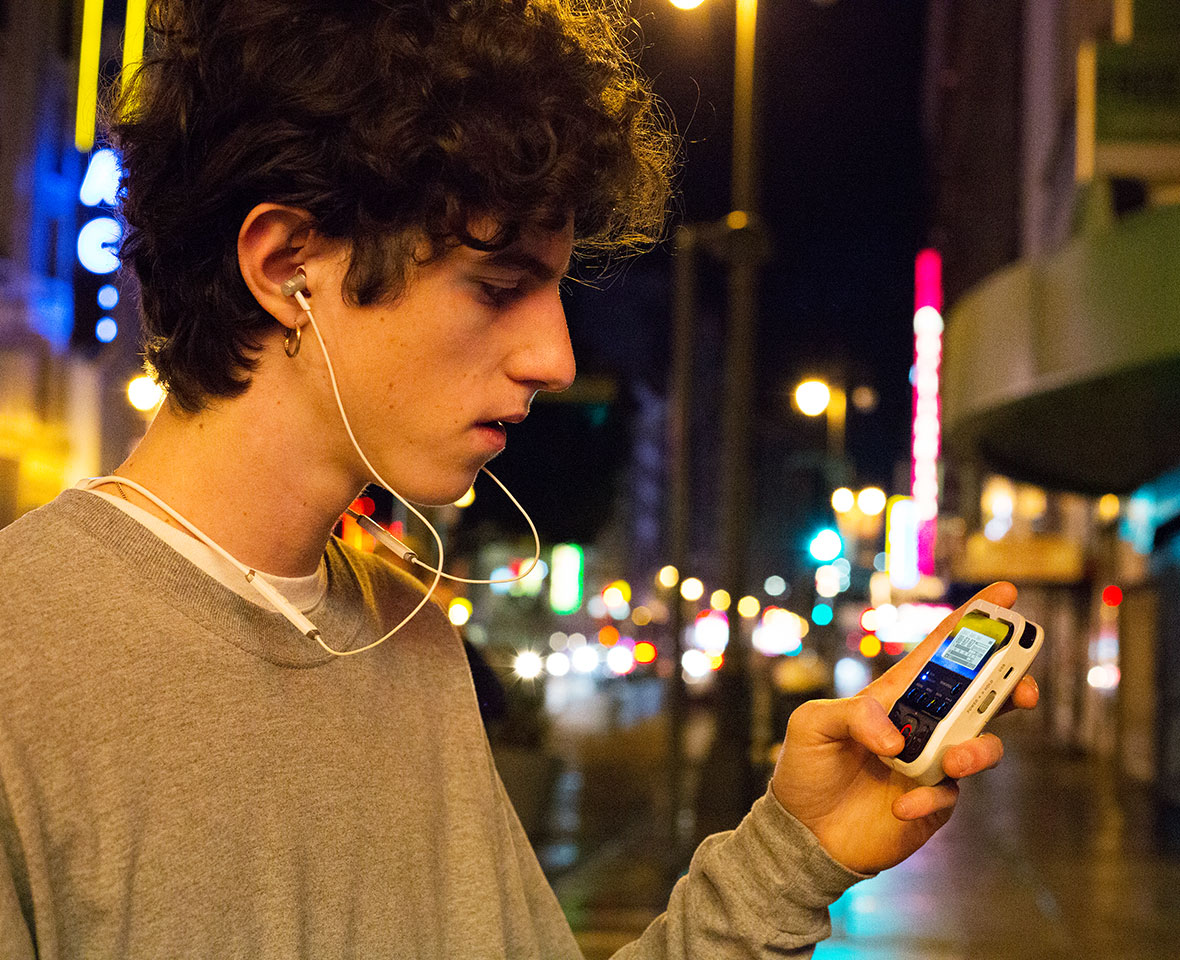
Field audio has a way of punishing shortcuts. A phone can catch a voice memo, but it can also catch jacket noise, wind slap, sidewalk rumble, and the awful sound of someone realizing the take is gone. That is why the Roland R 07 is getting fresh attention from U.S. creators who need a small recorder that can sit in a jacket pocket, on a table, or near a sound source without turning the whole setup into a production. As a high resolution audio recorder, it matters because the demand is not coming from collectors. It is coming from podcasters, YouTubers, musicians, students, local journalists, wedding shooters, and field recordists who want clean sound before the moment disappears. Roland lists features such as high-resolution recording, Scene memory, Hybrid Limiting, wireless listening, and remote control for the unit, which explains why it still fits modern field work rather than feeling like old gear with a fresh box. For readers tracking smart gear buys, practical creator equipment updates can help separate useful restocks from noisy product hype.
Why Field Demand Is Pulling Small Recorders Back Into Gear Bags
The return of interest in pocket recorders says something honest about how people work now. More Americans are making content outside controlled rooms. They record city walks, church services, backyard interviews, short films, campus lectures, rehearsal notes, client testimonials, and product demos in places where the sound does not care about your plan.
That friction creates demand for a portable field recorder that is small enough to carry and serious enough to trust. The counterintuitive part is simple: better audio often comes from doing less. Less gear on the table. Less touching the device. Less fixing later.
Why phone audio still falls apart outside a room
Phones are useful until the job asks for distance, direction, and headroom. Hold one too far away and the room takes over. Put it near a speaker and loud words can smear. Leave it in your hand and every finger shift becomes part of the file. In a quiet bedroom, that may pass. On a windy sideline in Kansas City, it will not.
A dedicated recorder changes the habit. You place the mic where the sound lives, not where your screen happens to be. That one choice can save an interview. A local reporter covering a school board meeting, for example, can set the recorder near the podium and keep notes on a phone without draining battery or blocking their own screen.
There is also a mental edge. When your phone is not the recorder, it can stay free for calls, notes, maps, photos, or a backup clip. That sounds small until a source starts talking and your phone rings. Field work rewards boring separation.
How a portable field recorder solves boring problems
A portable field recorder does not need to impress anyone in the room. Its job is to sit still and capture sound with fewer weak points. That means easy level checks, quick starts, stable file handling, and controls that make sense when your attention is on the person speaking.
This is where one-touch recording scenes and limiters matter. Roland’s product materials point to Scene memory and Hybrid Limiting, both aimed at helping users set up faster and protect against sudden peaks. In plain English, the recorder is built for the moment when a quiet interview turns into laughter, applause, or a guitar player hitting harder than they did during sound check.
The hidden benefit is not only sound quality. It is confidence. When gear feels predictable, you stop babysitting it and start listening. That is the difference between recording a story and missing the story while staring at a blinking meter.
Where Roland R 07 Earns Its Place on a Shoot
Small recorders live or die by whether they stay useful after the first week. Plenty of devices look good in a cart, then become drawer gear because they ask too much from the user. This one has stayed in the conversation because it blends pocket size with features that solve common field problems.
That matters during a restock. Buyers are not only asking whether it records. They are asking whether it can handle a messy day: a musician’s rehearsal, a wedding toast, a creator’s outdoor voiceover, or a second angle on a video shoot. A high resolution audio recorder earns its keep when it helps you come home with files you can use.
Built-in mics, safety tracks, and less panic
A clean recorder should not make you carry a mini studio for every task. Built-in stereo mics are enough for many quick jobs when placement is smart. Put the unit closer to a table conversation, a piano, a classroom speaker, or an acoustic guitar, and you often get a more usable file than you would from a phone across the room.
The better trick is safety. Official listings describe WAV support up to 24-bit/96 kHz, MP3 recording options, Hybrid Limiter, and Dual Recording. Dual recording is the kind of feature people ignore until it saves them. It can create a second version at a lower level, giving you a backup if the main take clips.
A wedding shooter in Dallas does not get a second chance at the father’s toast. A college filmmaker in Ohio may not be able to call the actor back at midnight. The point is not that gear fixes careless work. It gives careful work a cushion.
Bluetooth remote recording without crowding the moment
Bluetooth remote recording sounds like a convenience feature until you need to stay out of the way. If the recorder is near a speaker, on a piano, beside a lectern, or tucked near a camera, walking over to press buttons can change the room. People see you moving. They pause. They perform differently.
Roland’s remote app listing says it can control recording and playback, check and adjust levels, add markers, move between markers, and select scenes over Bluetooth. That is not only for tech fans. It helps one-person crews act less visible.
There is a catch, though. Wireless control should be treated as a helper, not a promise from heaven. Smart users still arm the recorder, check batteries, confirm storage, and run a short test. The best field habit is old-school: trust the file only after you see it working.
Who Should Buy During a Restock and Who Should Pass
Restock pressure can make any device feel urgent. That is how people end up buying gear for an imaginary version of their work. The better question is not “Is this recorder good?” It is “Does this recorder solve the sound problem I keep having?”
For many creators, musicians, and field workers, the answer will be yes. For others, a simpler tool may be enough. A portable field recorder is worth buying when it matches real use, not when it fills a blank space in a gear shelf.
Best fit for creators, musicians, and local reporters
The strongest fit is anyone who records away from a desk. A YouTuber filming garage tool tests in Phoenix needs cleaner voice capture than a camera mic can give. A Nashville songwriter may want fast demos after a writing session. A student journalist in Boston may need dependable audio from a crowded community event. None of those jobs require a huge setup.
This recorder also makes sense for people who record alone. Solo creators often need to place gear, frame the shot, start recording, and then become the talent. Bluetooth remote recording can reduce that back-and-forth dance, especially when the device sits closer to the sound than the person operating it.
The non-obvious fit is the organized beginner. A beginner who labels files, sets levels, and uses scenes can get more value from a recorder like this than a careless pro with expensive gear. Audio rewards habits before it rewards price.
When a simpler recorder or phone setup makes more sense
Some buyers should pass. If you only record quick voice notes in a quiet room, your phone may be enough. If you need XLR inputs for pro microphones, this is not the right center of the setup. If you hate managing memory cards, batteries, folders, and levels, a dedicated recorder may annoy you instead of helping.
There is also the question of durability expectations. Field gear gets tossed into bags, used with cold hands, and pulled out at odd angles. A case, spare batteries, and a small windscreen may matter as much as the recorder itself. People often budget for the device and forget the small items that make it usable outside.
That is where portable recording setup ideas can help before purchase. The smartest buy is not the one with the longest feature list. It is the one that matches the work you do every week.
How to Check Stock, Price, and Field Readiness Before Buying
A restock can disappear fast because field recorders serve several groups at once. Musicians, video creators, podcast producers, students, and location sound hobbyists may all be watching the same listing. At the time of search, Sweetwater showed the unit in stock with limited quantity and more on the way, which supports the idea that U.S. buyers are watching availability closely.
Still, stock is only half the decision. Price, condition, included accessories, return terms, and readiness matter. A recorder that arrives without the card, batteries, or protection you need can miss the job you bought it for.
What to inspect before the cart closes
Start with the listing language. New, open-box, used, B-stock, and marketplace listings do not mean the same thing. Check whether a microSD card is included, whether the seller is authorized, and whether returns are clear. For audio gear, vague condition notes should make you slow down.
Then look at the small specs that affect daily work. The official support information says microSDHC cards up to 32 GB are supported, and correct recording can depend on the card type and maker. That is the kind of detail shoppers skip, then blame on the recorder when a cheap card causes stress.
For U.S. buyers, also compare tax, shipping speed, open-box savings, and warranty path. A $15 savings from a random seller may not beat easy returns from a known music retailer. Gear that protects live moments should not arrive with mystery attached.
Setup habits that protect your first recording
Do not wait for the important job to learn the recorder. Open it, format the card, set the date, record a test, transfer the file, and listen with headphones. Then do it again in a harder room. A kitchen, garage, front porch, or parked car will teach you more than a silent desk.
Carry spare AA batteries and a small windscreen. Label folders by date or project. Record room tone after interviews. Put the device on a soft surface if the table shakes. These habits sound plain, but they are why one person gets usable audio while another spends the night fighting noise.
For deeper planning, field audio checklist for creators is the kind of internal guide worth building before a purchase rush. The recorder is only the start. The workflow decides whether the file becomes content, evidence, music, or a headache.
Conclusion
Restocks get attention because scarcity makes people move, but the better story is field demand. People are recording more real life, in more imperfect places, with smaller teams and tighter budgets. That creates a strong reason for compact gear that can stay close to the sound without taking over the room.
The Roland R 07 makes sense when you need cleaner capture than a phone, more freedom than a camera mic, and less bulk than a larger rig. It is not the answer for every setup, and it should not be bought out of panic. It should be bought because your work keeps running into the same audio wall.
A high resolution audio recorder is worth the money when it changes your habits, not only your spec sheet. Test it early, protect the basics, and treat every recording like you may need it later. When the next take matters, quiet preparation wins.
Frequently Asked Questions
How much does this recorder usually cost during a restock?
Pricing can shift by retailer, stock level, and condition. New units often sit higher than used or open-box listings, while limited stock can reduce discounting. Compare final checkout cost, return terms, and warranty support before treating the lowest visible price as the best deal.
Is it worth buying for podcast interviews?
Yes, if you record in person or outside a treated studio. Place it close to the speakers, check levels, and use a backup when the interview matters. For remote podcasting, software and proper USB microphones may be a better first upgrade.
What is the best use for a portable recorder like this?
It works best for interviews, music sketches, lectures, ambient sound, video backup audio, and creator work where a phone or camera mic sits too far from the source. Its value rises when you need quick setup without building a large audio rig.
Can beginners use it without audio experience?
Yes, but beginners should practice before an important session. Learn how to set levels, choose a scene, record a short test, and transfer files. The device can help, but clean results still depend on placement, batteries, storage, and listening back.
Does Bluetooth control replace checking the recorder by hand?
No. Bluetooth control is helpful for starting, stopping, and checking settings from a distance, but it should not replace a physical pre-check. Confirm storage, battery life, input levels, and a short test recording before relying on remote control during a live moment.
Is it better than recording audio on a phone?
For many field situations, yes. A dedicated recorder can be placed closer to the sound and keeps your phone free for notes, calls, photos, or navigation. A phone still works for quick memos in quiet spaces, but it struggles when distance and noise increase.
What accessories should buyers add first?
Start with spare AA batteries, a reliable supported memory card, a small case, and a windscreen. Add a mini tripod or table stand if you record interviews often. These modest extras can improve real recordings more than buying another expensive gadget.
Should I wait if stock looks limited?
Wait if you are unsure how you will use it. Buy sooner only when the recorder solves a recurring audio problem and the seller terms are clear. Limited stock can create pressure, but a rushed purchase still needs the same checks as any other gear buy.