

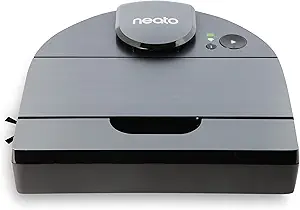
A clearance shelf can make an old premium gadget look new again. That is the pull behind the Neato D10, especially for U.S. shoppers who want a high-end cleaner without paying launch-era money. The deal is tempting because this is not a random bargain-bin bot; it was built around laser mapping, a wide D-shaped body, long run time, and a serious filter setup. For readers who follow practical smart home deal coverage, the lesson is simple: the best discount is not always the lowest number. It is the lowest number that still makes sense after support, parts, floor type, and seller terms are checked. The D10 can be a sharp clearance robot vacuum buy for the right home, but it is not a no-thought purchase. The brand’s own support pages say the company ceased operations in 2023, and later updates addressed cloud-service changes for owners. That makes the deal more interesting, not less. You are buying hardware first, and promises second.
Why Neato D10 Clearance Feels Like a Different Kind of Deal
The first thing to understand is that this discount is not the same as a normal sale on a current model. A current bot is priced around software, warranty confidence, app updates, and future support. A discontinued premium bot is priced around hardware value and buyer risk. That changes the way you judge it. A low sticker price can look like a win, but the real question is whether the machine still solves your daily mess better than a newer budget cleaner.
Why a clearance robot vacuum can be smart, not cheap
A cheap cleaner often feels cheap because it was built down to a price from day one. This one started life as a premium home cleaner, and that matters. The D-shaped front, wide brush path, and larger dust bin were meant to solve the small daily problems that round bots still miss: cereal dust along baseboards, pet hair near chair legs, and crumbs tucked against kitchen toe-kicks.
The counterintuitive part is that discontinued hardware can feel better than a new entry-level model in the first week. A new low-cost bot may have fresher app support, but it may wander, tap chair legs, and need more rescue missions. A former flagship can still feel calmer on the floor. That gap shows up most in open-plan homes where the cleaner has to cover hardwood, rugs, dining chairs, and a hallway without turning the job into noise.
For a U.S. buyer, the price should be judged against replacement cost, not launch price. If the clearance robot vacuum costs close to a basic bump-and-turn model, the old premium design becomes the argument. If it sits near newer self-emptying options, the math weakens fast.
The real deal is the gap between launch value and today’s risk
The official launch material for the D-series highlighted LaserSmart mapping, a 300-minute run time for the top model, coverage up to 2,700 square feet, and a True HEPA filter claim tied to tiny allergen particles. Those specs were not casual add-ons. They were the pitch. The machine was built for larger homes, pet traffic, and people who wanted structured cleaning rather than random movement.
But clearance changes the buyer’s job. You are no longer asking, “Was this worth its original price?” You are asking, “Does this still beat what I can buy today at the same price?” That is a better question. It keeps you from being hypnotized by the word “record.”
Here is a simple example. A family in a 1,900-square-foot Texas home with tile floors, two rugs, and a shedding Labrador may care more about brush width and run time than a self-empty dock. A renter in a 650-square-foot Chicago apartment may care more about app reliability, noise, and return policy. Same deal. Different answer.
The Hardware Still Makes Sense When the Home Fits It
The D10’s strongest case is physical. It has the kind of body and cleaning layout that makes sense before a phone app ever enters the picture. That may sound old-school for a connected home device, but floors are still physical places. Dust collects at edges. Pet hair drifts into corners. Kitchen crumbs sit under cabinet lips. A cleaner that reaches those spots with less drama has an advantage you can see.
Where a laser navigation vacuum still beats basic models
A laser navigation vacuum maps rooms by reading the space instead of bouncing around until it runs out of patience. That sounds like a small difference until you live with both styles. A random cleaner may cross the same rug five times and still skip the strip under the breakfast table. A mapping model is more likely to work in rows, remember room shape, and finish with less wasted movement.
This matters in American homes with mixed floor plans. Think of a split-level house in Ohio with a narrow hallway, an open living room, and bedrooms that collect dust under low furniture. A laser navigation vacuum tends to look more disciplined in those spaces. It does not need perfect lighting, either, which helps if you run it after dinner or before bed.
The less obvious point is that navigation affects patience. People stop using floor-care gadgets when they become chores. If a cleaner gets stuck less often, covers the room in a pattern you trust, and does not sound lost every afternoon, you are more likely to run it. The best machine is the one that becomes routine.
The D-shape is not a gimmick when edges matter
Round cleaners are common because round bodies turn easily. That does not mean they clean every shape well. A D-shaped front puts more brush near the wall, which helps where dust loves to hide. Lowe’s product copy for this model called out the D-shape, a wider brush than round robots, and an XL bin aimed at longer cleaning stretches.
That design has a practical edge in homes with baseboards, kitchen islands, and pet bowls. Those are not showroom details. They are where dirt waits. A round bot can do a decent pass through the center of a room while leaving the border looking half-finished. The D10’s shape gives it a better shot at the border pass.
Still, shape does not fix everything. Thick shag rugs, cords, stray socks, and loose charging cables can stop almost any cleaner. The smarter buyer does not expect magic. They prep the floor, run the machine often, and use it as a maintenance tool between deeper cleanings. That is where this older premium design can still earn its keep.
The Support Risk Changes the Math
The hardware story is strong, but the support story cannot be brushed aside. Connected gadgets age in two ways. The motor, wheels, brush, and battery age like normal appliance parts. The app, cloud, account system, and firmware age like tech. When the second half weakens, the first half has to carry the purchase. That is the tension at the center of this deal.
App features should be treated as a bonus, not the backbone
Reports around the cloud shutdown said affected robovacs would lose app-based control and move toward manual operation, which means features such as remote control, routines, and map management may no longer be safe assumptions for buyers. That does not mean every unit becomes useless. It means the value must be judged with fewer promises attached.
This is where a bargain hunter needs discipline. Do not buy because the old product page mentions zones, maps, or scheduled routines. Buy only if the cleaner’s manual behavior, physical controls, battery health, and seller terms make the price feel fair. If the app works, great. Treat that as upside.
A helpful test is blunt: would you still want it if it cleaned from the button on the unit and not from your phone? If the answer is no, the discount may not be deep enough. If the answer is yes, then the deal has a real foundation.
Parts, filters, and batteries matter more than the headline
Clearance pricing hides a second cost: upkeep. A floor cleaner is not a speaker that sits on a shelf. Brushes wear down. filters clog. wheels collect hair. batteries lose strength. A HEPA filter vacuum only keeps its value if replacement filters remain easy to find and affordable.
Check the seller page for filter packs, brush rolls, and battery options before you order. Look for original parts when possible, then check third-party parts with care. A $120 cleaner can become a headache if a proper filter costs too much or ships from a mystery seller with vague compatibility claims.
The quiet insight here is that support risk is not only about repairs. It is about friction. If every filter change turns into a search project, you will stop maintaining the machine. Then suction drops, dust escapes, and the bargain starts to feel stale. For more purchase checks, add a reminder from your own smart home maintenance checklist before clicking buy.
How U.S. Buyers Should Judge the Clearance Price
A record clearance tag creates urgency, but urgency is where bad purchases happen. The better move is to slow the deal down. Think like an appliance buyer, not a gadget fan. Check the return window, seller identity, warranty language, parts supply, and how the cleaner fits your floors. The Federal Trade Commission advises shoppers to read return policies, keep records, and check deadlines when solving purchase problems, which is useful guidance for any closeout product.
Build a quick price test before buying
Start with the current checkout price, then add the first year of care. That means filters, a spare brush if needed, and any shipping fees. If the total still sits far below a current mapping cleaner, the deal gets stronger. If the total creeps near newer models with active app support, self-empty docks, or longer seller coverage, the old premium pitch loses some shine.
A simple U.S. example helps. Suppose a buyer in Florida sees the D10 at a sharp markdown for a single-story home with tile and two short-pile rugs. If replacement filters are available and the seller offers a clear return window, the risk may feel acceptable. A buyer in a carpet-heavy home with stairs, pets, and no patience for manual controls should be harder to convince.
Do not compare it only with today’s cheapest cleaner. Compare it with the cheapest cleaner you would feel good owning for two years. That one sentence protects you from half the bad deals online.
Seller quality can matter more than discount size
Closeout inventory often moves through marketplaces, resellers, warehouse stock, and open-box channels. That is not automatically bad. It does mean the seller matters. Look for clear condition labels: new, refurbished, used, open box, missing accessories, or damaged packaging. If the listing buries that information, walk away.
Pay attention to the return clock. A seven-day return window on a connected appliance is tight because you need time to charge it, map or test rooms, run it on rugs, check the bin, listen for wheel noise, and confirm whether controls work as expected. A longer window is worth money.
The non-obvious move is to test the ugly parts first. Do not start with the clean living room. Run the machine where it might fail: under the dining table, along the pet bed, near the kitchen baseboards, and across the rug edge that always curls. A bargain earns trust in the hard spots.
Conclusion
A clearance deal like this should not be judged by excitement alone. The hardware still has a strong case, especially for larger homes, pet mess, edge cleaning, and buyers who care more about floor results than app polish. The Neato D10 can make sense when the price drops far enough to offset the support questions. That is the whole deal in one line.
The smart path is not fear or hype. It is fit. Check the seller, return window, part supply, battery condition, and whether you can live with fewer connected features. Then compare the real total against a newer mapping cleaner, not against the launch price printed in old reviews.
If the numbers work, this can be a rare chance to buy premium cleaning hardware at clearance money. If the support tradeoff bothers you, skip it without regret. A clean floor is nice, but a purchase you trust feels better.
Frequently Asked Questions
Is the D10 still worth buying on clearance?
It can be worth buying if the price is low, the seller has a clear return policy, and you are comfortable treating app features as uncertain. The best fit is a home that needs strong daily floor pickup more than cloud-based controls.
How low should the clearance price be before it makes sense?
The price should land far below newer mapping cleaners after you include filters, brushes, tax, and shipping. If the final cost sits close to current models with active support, the discount is not strong enough.
Does the D10 work well for pet hair?
It can work well for pet hair because the wide brush path and larger bin help with regular pickup. You still need to clean the brush often, especially with long hair, thick rugs, or multiple shedding pets in the home.
What should I check before buying an open-box unit?
Check for the charging dock, power cord, brush, filter, dust bin, battery condition, and return rights. Also inspect whether the listing says refurbished, used, damaged box, or missing accessories. Those words change the value fast.
Is a laser navigation vacuum better for large homes?
Yes, for many larger layouts, mapping usually feels more orderly than random movement. It helps the cleaner cover rooms with less wasted travel. The benefit is strongest in open floor plans, long hallways, and homes with several connected rooms.
Is a HEPA filter vacuum useful for allergy-prone homes?
It can help capture fine dust and allergens inside the bin system, but it is not a full air purifier. For allergy-prone homes, regular filter changes, clean floors, washed bedding, and HVAC filter care all matter alongside the vacuum.
Should I buy this instead of a newer budget cleaner?
Choose this if hardware quality, edge cleaning, and long run time matter most. Choose a newer budget cleaner if app support, warranty confidence, replacement parts, and future updates matter more to you than former flagship specs.
What is the biggest risk with this clearance deal?
The biggest risk is buying it for connected features that may not work the way old listings suggest. Judge it as cleaning hardware first. If the app or smart controls work for your unit, treat that as a bonus.