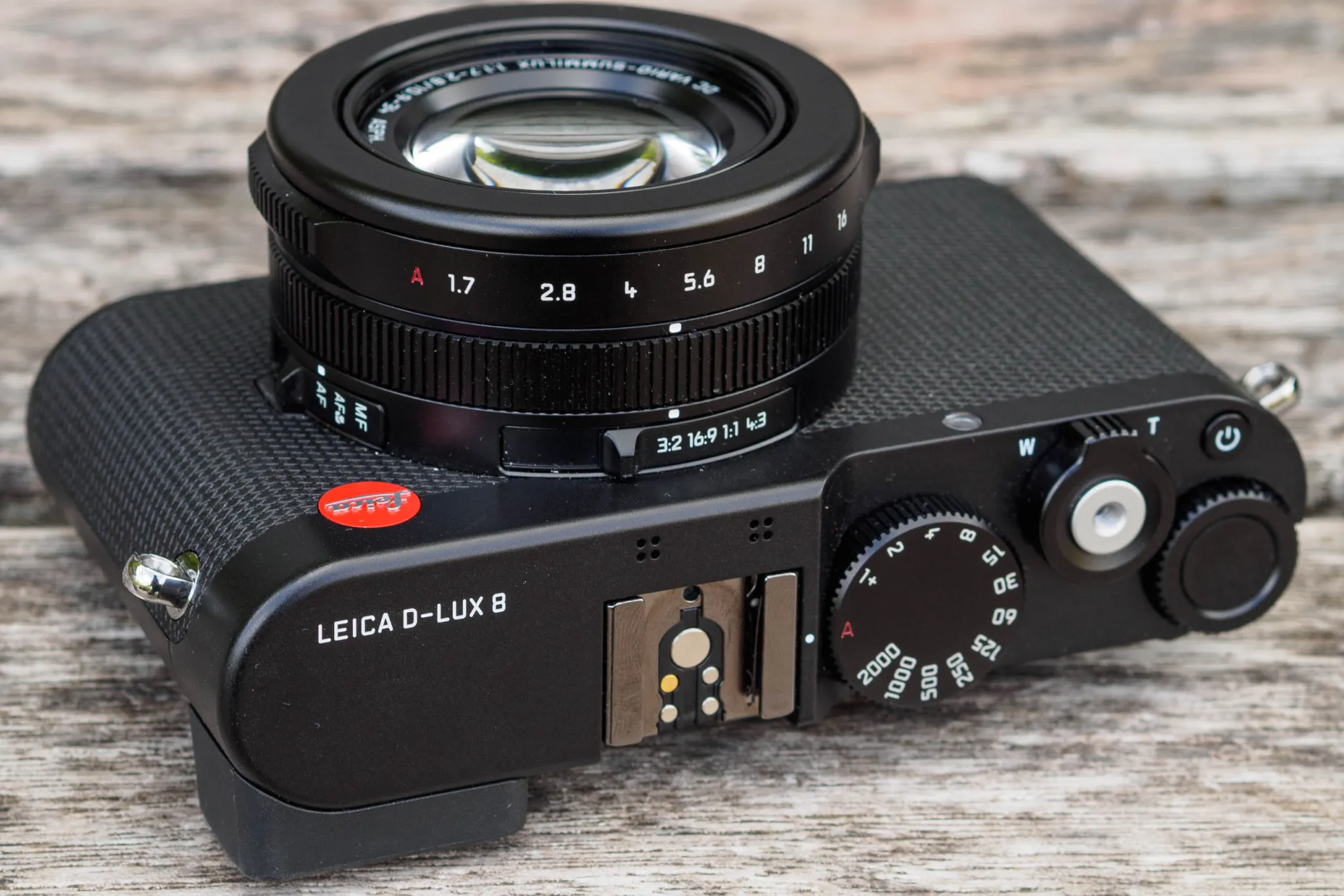
Some cameras become popular because they promise more power. Others catch fire because they make people want to go outside. The Leica D Lux 8 compact camera is getting attention from U.S. street photographers because it feels built for that second reason: walking, noticing, reacting, and making a frame before the moment goes cold. It has the look people expect from Leica, but the real pull is simpler. You get a fixed zoom lens, a Four Thirds sensor, physical controls, and a small enough body to carry through a city without turning the day into a gear haul. For readers tracking gear trends through trusted consumer gear coverage, this is the kind of camera that explains why small photo tools keep coming back. Phones are easy, yes. But a dedicated camera still changes how you see. That shift matters when you are shooting a corner deli in Queens, a boardwalk in San Diego, or late light bouncing off glass in downtown Chicago.
Why the Compact Camera Mood Is Back
Small cameras are having a strange second life because they solve a problem phones created. Everyone can take a picture now, so the picture itself has to feel more intentional. That is where a pocketable fixed-lens body starts to make sense again. It slows you down, but not in a stiff way. It gives your hands a job. The Leica model sits in that space between phone convenience and full camera seriousness, which is why people are treating it less like a spec sheet and more like a street companion.
Street photographers want friction, but not too much
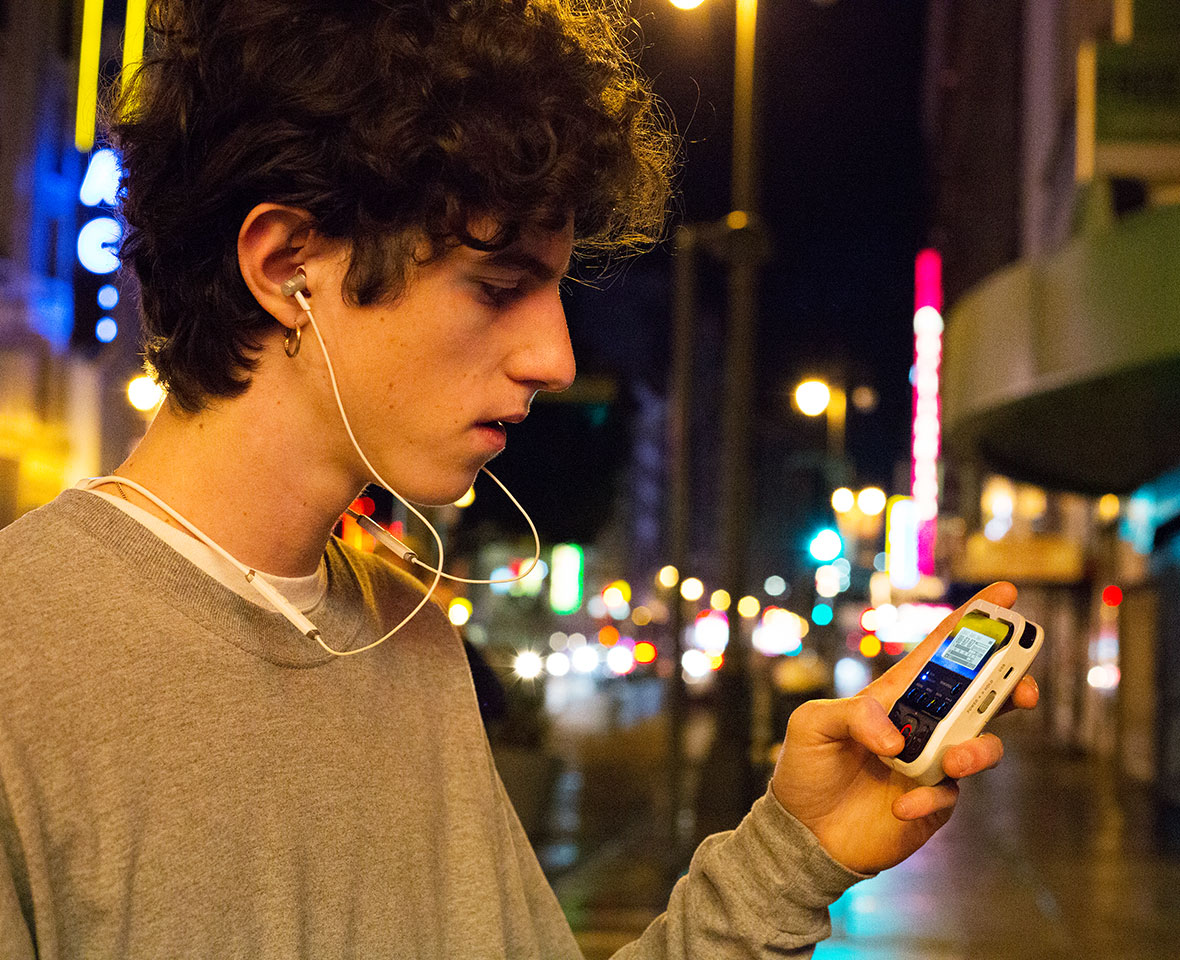
Street photography rewards timing. You see a delivery rider cutting across steam from a food cart, a couple arguing softly near a bus stop, or a kid dragging a red scooter through a crosswalk. A big setup can ruin that moment before you lift it to your eye. A phone can feel too casual. A street photography camera needs to sit between those extremes.
That is the quiet reason the D-Lux line makes sense. It has enough physical presence to make you shoot with intent, yet it does not shout for attention. In a place like New York, that can matter more than another line on a spec chart. People notice large cameras. They ignore small ones.
The non-obvious part is that limitation can make the work better. A zoom range that covers wide street scenes and tighter detail shots keeps you from changing lenses, but it also keeps you from overthinking. You stop building a kit in your head. You start watching faces, shadows, signs, and movement.
The viral pull is about behavior, not hype
A camera goes viral when people can picture themselves using it. That sounds obvious, but many gear launches miss it. They sell power. Street shooters want readiness. The Leica design gives buyers a story they understand fast: carry it, walk farther, shoot cleaner, share later.
In U.S. cities, that use case feels natural. A photographer in Philadelphia can move from a morning market to a subway platform without a bag full of lenses. Someone in Austin can photograph murals, coffee shops, cyclists, and night patios with one small body. The appeal is less about replacing a pro system and more about removing excuses.
A good camera buying guide should make that distinction clear. Not every buyer needs the same machine. Some need speed, weather sealing, or long lens reach. Others need a camera that helps them say yes to a two-hour walk after work. That second buyer is exactly why this trend has legs.
What Makes the Leica D Lux 8 Compact Camera Work for Street Use
The Leica D Lux 8 Compact Camera works because it does not try to be a tiny version of every camera. It makes a narrower promise: clean handling, useful focal lengths, strong everyday image quality, and a body that feels worth carrying. Leica lists the camera with a Four Thirds CMOS sensor, 17 effective megapixels, a 10.9–34mm lens, and a 24–75mm full-frame equivalent range in its official D-Lux 8 technical specifications. That mix is not wild on paper. In practice, it covers a lot of real street work.
The 24–75mm range fits actual city movement
A 24mm wide view lets you catch buildings, sidewalks, interiors, murals, and layered street scenes. The longer 75mm end lets you isolate a face across a café, compress a row of signs, or pull detail from a bus window reflection. That range is practical because street photography is rarely one distance all day.
Think about a Saturday in Los Angeles. You may start near a taco stand, step into harsh noon light, then end up indoors at a record shop. A single prime lens can be beautiful, but it can also trap you. The D-Lux 8 zoom gives you room to react without making the camera feel like a travel superzoom.
The counterintuitive point is that more range would not always help. A huge zoom can make you lazy. You stand still and crop life from far away. A shorter, brighter zoom keeps your feet involved. Street pictures often improve when your body has to move.
The Leica fixed-lens camera idea removes small decisions
A Leica fixed-lens camera is not only about image quality. It is about removing the small decisions that drain attention. No lens swap. No bag shuffle. No debate over whether the 35mm or 50mm would be better. You work with the tool in your hand.
That matters for newer shooters too. A person buying their first serious camera may think more options equal faster growth. Often, the opposite happens. Too much gear can make every outing feel like homework. A simple body teaches rhythm: see, lift, frame, shoot, review later.
There is also an emotional side. Leica cameras carry a certain romance, and people should admit that. The red dot, the clean body, the classic shape all feed the desire to go shoot. That does not make the purchase rational by itself, but motivation has value. A camera that makes you leave the house will beat a better one sitting on a shelf.
Where It Beats a Phone, and Where It Does Not
The phone comparison is unavoidable because most Americans already own a capable camera. For daylight snapshots, social posts, and fast video clips, a modern phone is hard to beat. The Leica model wins in a different way. It gives you a viewfinder, a real grip point, optical zoom behavior, a larger sensor than typical phones, and files that invite editing. It is not about convenience alone. It is about the shooting state of mind.
A dedicated body changes how people respond to a scene
When you use a phone, the device carries baggage. It is also your messages, map, wallet, news feed, and alarm clock. You lift it to take a photo, and half your brain still knows a notification may appear. A camera cuts that noise out. That can sound precious until you try it for an hour.
On a busy street, attention is everything. A glance, a hand gesture, a strip of light across a doorway can vanish in a second. With a dedicated camera, your thumb and finger learn where to go. The tool fades a little. The scene gets louder.
This is where a street photography camera earns its place. It will not make dull work interesting. It will not grant courage. But it does make practice feel cleaner. For many shooters, that cleaner loop is enough to keep them returning.
Phones still win some everyday battles
A fair review has to admit where the phone stays ahead. Phones are better for instant sharing. They handle quick video with less effort. They sit in your pocket without a strap, charger, or second thought. If you only want restaurant photos, family clips, and vacation posts, buying a separate camera may feel like overkill.
The D-Lux 8 also sits at a price that makes people pause. Leica has never been the budget lane. For many buyers, a used mirrorless body with a small lens could offer more flexibility for similar or less money. That is the uncomfortable comparison.
But flexibility is not always the winning feature. Some people do better with a beautiful constraint. A fixed-lens camera says, “This is the tool.” That clarity can create more finished photographs than a drawer full of choices. For a buyer who values the walk as much as the file, that is not a small thing.
Who Should Buy It, Wait, or Skip It
The right buyer is not the person chasing the loudest spec sheet. The right buyer wants a small camera that feels special, handles well, and covers daily photography without turning every outing into a project. If you already love editing RAW files, walking neighborhoods, and building photo habits, the D-Lux 8 makes more sense. If you want sports reach, wildlife speed, or pro video controls, look elsewhere.
It suits travel, street, and daily creative notes
A pocket travel camera needs to be ready for the boring parts of a trip because those often become the best pictures. Airport light on a sleeping gate area. A motel sign after rain. Your friend reading a menu in bad diner light. These are not postcard moments, but they are personal.
The Leica works well for that kind of record. It can shoot wider when the scene needs context and tighter when a detail carries the feeling. For a weekend in Boston, Savannah, Denver, or Portland, that range is enough for most walking days. You can pack one charger and one small case instead of planning around gear.
For creative people, the camera also works as a daily notebook. Designers, writers, and small business owners often need visual scraps: signage, textures, window displays, street colors, odd little scenes. A pocket travel camera with a better shooting feel than a phone can turn those scraps into a habit rather than a random camera roll dump.
It is not the smartest buy for every photographer
The D-Lux 8 is not a magic shortcut. If you need interchangeable lenses, stronger subject tracking, or the cleanest high-ISO files for paid work, a mirrorless system may serve you better. If you want the smallest possible carry, your phone still wins. If budget is tight, this is a luxury purchase before it is a necessity.
The smarter way to judge it is by behavior. Ask yourself how you shoot when nobody is paying you. Do you walk for pictures? Do you print anything? Do you edit with care? Do you notice light before you notice specs? Those answers matter more than online noise.
A Leica fixed-lens camera can be the right choice when it makes your photography more consistent. It is the wrong choice when it becomes a status object that scares you from using it hard. Cameras earn their keep through scratches, bad frames, missed shots, and better ones that come later. The pretty ones should work too.
Conclusion
The sudden attention around this Leica makes sense because it meets a mood that has been building for years. People are tired of making every photo inside a phone interface, yet they do not always want a heavy kit on their shoulder. They want something tactile, handsome, and ready for real walks through real places. The Leica D Lux 8 compact camera lands in that gap with a clear identity instead of a bloated feature pitch. It is not the cheapest choice, and it is not the most powerful choice. That may be the point. For street work, travel notes, and daily seeing, a camera can be better when it asks less from you before the first frame. Buy it because you will carry it, not because the internet is loud this week. Then take it outside and make the kind of pictures your phone never pushed you to notice.
Frequently Asked Questions
Is the Leica D-Lux 8 good for street photography?
Yes, it fits street photography well because it is small, quiet, and quick to carry. The 24–75mm equivalent zoom range gives enough flexibility for wider scenes and tighter details without changing lenses during a walk.
How much does the Leica D-Lux 8 cost in the USA?
Pricing can vary by retailer, color, stock status, and bundle. Since Leica products often hold firm pricing, check authorized U.S. camera stores before buying, especially if you want warranty support and a reliable return window.
Is the D-Lux 8 better than using an iPhone?
It is better for photographers who want a viewfinder, physical controls, optical zoom behavior, RAW editing, and a focused shooting experience. An iPhone is still easier for instant sharing, quick video, and casual everyday snapshots.
What kind of photographer should buy the D-Lux 8?
It suits street, travel, documentary, and everyday shooters who want a premium small camera without building a full lens kit. It is less ideal for sports, wildlife, studio work, or buyers who need deep system flexibility.
Can beginners use the Leica D-Lux 8 easily?
Yes, beginners can use it, especially if they want to learn framing, timing, and exposure without managing multiple lenses. The price is the bigger question. New shooters should buy it only if they plan to carry it often.
Is the Leica D-Lux 8 pocketable for travel?
It is small enough for a jacket pocket or small sling, but it is not as slim as a phone. For travel, it works best when you want better handling and image control without packing a larger mirrorless camera.
Does the D-Lux 8 shoot RAW photos?
Yes, it supports DNG RAW files, which gives photographers more room to adjust exposure, contrast, color, and shadows after shooting. That matters for street scenes with harsh sun, neon light, or mixed indoor lighting.
What are the best alternatives to the Leica D-Lux 8?
Popular alternatives include the Fujifilm X100 series, Ricoh GR series, Sony RX100 line, and small mirrorless kits with pancake lenses. The best pick depends on whether you prefer zoom flexibility, pocket size, viewfinder style, or lower cost.